Composition of Pine Needle Essential Oil, and the Harm of Long-Term Pine Needle Consumption
What are the main medicinal components and chemical components of pine needle essential oil? Long-term pine needle consumption is harmful, did you know? Let's take a look together.
Composition of pine needle essential oil:
The main components are trans-caryophyllene (42.36%), α-pinene (10.72%), bornyl acetate (6.81%), longifolene (6.18%), and α-copaene (5.55%), among others; the identified components account for 90.85% of the total essential oil.
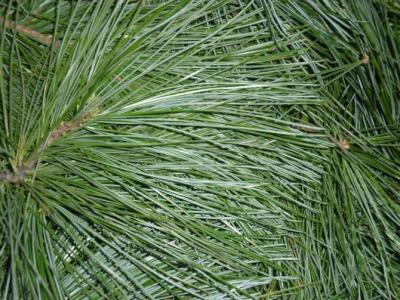
Long-term pine needle consumption is harmful
Long-term pine needle consumption is harmful, and we must be aware of this and do our utmost to ensure correct use.
Because individual constitution, causes of illness, and symptoms differ, the effects of pine needles are also felt differently; according to surveys, 20% of people see no significant effect. For those with two or more conditions at once, some symptoms may respond noticeably while others do not, and this is normal too. When drinking pine needle tea, follow a gradual approach. Some people tolerate pine needle tea brewed stronger, while others tolerate it brewed weaker; each person must find their own point of adaptation. Those who do not adapt to the taste of pine needle tea or reject this flavor can start by drinking it weaker, then begin to strengthen it once adapted, and after a good response, drink it weaker again to support long-term conditioning.
It should be especially noted that although we advocate here the use of the special disease-treating and anti-aging effects of pine needles to serve human health and longevity, pine needles are, after all, not a magic elixir and cannot cure all diseases. According to research, pine needles have therapeutic effects on the 40-plus conditions listed below; for most people, these symptoms can improve or be cured by drinking pine needle tea, while many others need to combine it with other treatments to be effective.