Detailed Explanation of Tarragon Essential Oil Composition and Its Differences from French Tarragon
What are the components of tarragon essential oil? What is the difference between tarragon and French tarragon? Want to know? Let's take a look together.
Tarragon essential oil chemical composition: ethers - methyl eugenol, anethole; coumarins - aesculin; monoterpenes - ocimene, phellandrene
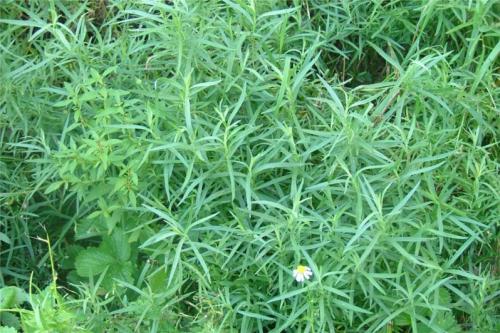
What is the difference between tarragon and French tarragon
Tarragon: the leaves grow in a pattern like cursive calligraphy, highly graceful and ornamental. The main producing area is France, belonging to the Asteraceae plant family, and it can be used medicinally.
French tarragon: also known as fragrant tarragon, narrow-leaved tarragon, snake tarragon, pepper tarragon, sweet wormwood, and tarragon herb, it is a perennial herbaceous plant of the Asteraceae family, native to Siberia and West Asia. It was only introduced to Europe during the period when the Arabs ruled Spain. In Chinese-speaking circles, it is mistakenly commonly called yinchenhao. Its English names are Tarragon or French Tarragon, True Tarragon, Estragon; Tarragon comes from the Latin word Dracunculus, meaning "little dragon," and is a corruption derived from the French word "Esdragon." Also known as: tarragon grass / snake tarragon grass / taligana (a transliteration of the Russian тархун) / yinchen grass, it is a perennial clump-forming aromatic herbaceous plant. It grows in clumps, with upright aboveground stems, a plant height of 60-120 cm, and a spread of 60 cm. The plant is hairless, the stems are slightly woody, much branched, and the branches are nearly upright.