Basic Characteristics of Peony Essential Oil and Its Differences from Peony Seed Oil
What morphological characteristics or scent does peony essential oil have
It is extracted on the basis of traditional pressing using complex processes such as supercritical technology. It is rich in peony polyphenols and is a super-strong antioxidant, beneficial for delaying skin aging, inhibiting dark spots and age spots, preventing and treating acne, and clarifying the complexion. The color is slightly yellow, and the scent is delicate, not overpowering.
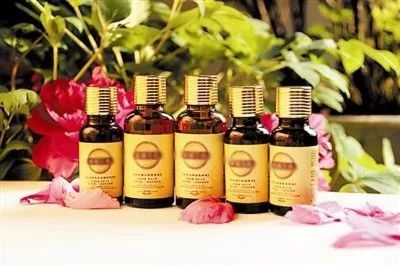
The difference between peony seed oil and peony essential oil
Peony seed oil is rich in linoleic acid, which accounts for 23.34%. It can be eaten
1. Linoleic acid is a component of cells, especially participating in the synthesis of mitochondria and cell membrane phospholipids. Lack of linoleic acid may lead to mitochondrial swelling and changes in the structure and function of cell membranes, with increased membrane permeability and fragility.
2. Linoleic acid is closely related to lipid metabolism. Cholesterol in the body must combine with fatty acids before it can be transported within the body for normal metabolism. After linoleic acid deficiency, cholesterol transport is blocked and normal metabolism cannot proceed, so it will deposit in the body and eventually lead to disease.
3. Linoleic acid is a necessary precursor for the synthesis of prostaglandins. If the body lacks linoleic acid? the ability of tissues to form prostaglandins will decline. Linoleic acid also has a protective effect on some skin damage caused by X-rays.
4. Peony seed oil can not only prevent cardiovascular and cerebrovascular diseases but also has a remarkable effect in treating fatty liver.
5. Another effect of linoleic acid is that it is a raw material for composing cell membranes. The material composing cell membranes is unsaturated fatty acids. Linoleic acid has the function of strengthening metabolism and enhancing cell vitality.
Peony seed oil is not only rich in nutrients but also contains abundant and unique bioactive substances. Alpha-linolenic acid is the most basic and core substance in the process of human life evolution and is a main element in synthesizing cell membranes. It can be taken internally and applied externally. It has effects such as promoting blood circulation and removing blood stasis, reducing inflammation and sterilizing, promoting cell regeneration, activating peripheral nerves, lowering blood pressure, lowering blood lipids, and reducing weight. External use can beautify and nourish the face, eliminate pigment deposition, reduce wrinkles, and make the skin delicate, smooth, and elastic. External use also has remarkable effects on treating oral ulcers, rhinitis, arthritis, and skin diseases (including acne, athlete's foot, peeling hands and feet, heat-induced blisters, eczema, redness and swelling, itching and pain, etc.).
Peony essential oil can improve and adjust people's tense emotions, refresh the mind and brighten the eyes, enhance intelligence, improve memory, and has effects such as antibacterial, antiviral, repelling mosquitoes and flies, and covering unpleasant odors. It regulates women's menstrual periods and improves sleep. It clears skin toxins, improves dry skin, and shrinks pores. It effectively clears oxygen free radicals and inhibits skin pigment formation, removes wrinkles, reduces skin spots and women's formation of lines. It improves blood microcirculation, making the skin glossy and elastic. It has unique effects in moisturizing the skin, beautifying, protecting the skin, and delaying aging.
Main skincare