Basic Characteristics of Wintergreen Essential Oil and the Medicinal Benefits of Wintergreen Leaves
Wintergreen essential oil has a cool, uplifting aroma with a faint scent of the wintergreen tree. Wintergreen essential oil has stimulating, anti-inflammatory and analgesic properties, and can promote local blood circulation. Its color is pale yellow.
Complementary essential oils: lavender, cinnamon, frankincense, clove, eucalyptus, geranium, ginger, lemon, rosemary, peppermint
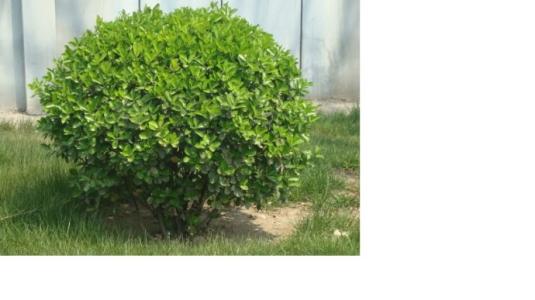
What are the medicinal uses of wintergreen leaves? Treating burns, ulcers that do not heal for a long time, thromboangiitis obliterans, acute and chronic bronchitis, pneumonia, urinary tract infections, bacillary dysentery, traumatic bleeding, chilblains, and chapped skin.
Usage and Dosage
External use: made into emulsions or ointments and applied topically. Internal use: concentrated decoction made into a fluid extract and taken orally.
① Treating burns
Wintergreen leaves can be prepared into many kinds of medicinal formulations, applied to different burns and wounds, enabling them to form scabs quickly, reducing exudation, controlling infection, and to a certain extent preventing shock and the occurrence of early septicemia, promoting wound healing, shortening the treatment course, and increasing the cure rate. According to observation of 197 cases, 178 cases were cured (including 5 cases with burn area over 70%), and 19 cases died. The average wound healing time was 14.5 days for degree II (including deep degree II and superficial degree II), and 36 days for degree III.
② Treating lower limb ulcers
After concentrating Sijiqing medicinal solution and mixing it with cod liver oil and other ingredients to make an emulsion for external use, change the dressing once daily. For generally small and superficial ulcers, apply the emulsion alone, then cover with sterilized gauze and bandage until healed. If after emulsion treatment the wound surface is clean but the rate of new epidermis formation is not fast, or if there is necrotic tissue on the wound surface, switch to "Dongfang No. 1" ointment (a Chinese herbal preparation manufactured by Nantong Pharmaceutical Factory) for external application, once daily, until healed.
For larger ulcer areas where the wound granulation is fresh, when the wound surface becomes clean quickly after about 1 week of Sijiqing emulsion treatment, perform stamp-like skin grafting; most cases heal by primary intention after surgery. For cases with large and deep ulcers, long disease course, necrotic tissue on the surface or ulcer granulation hyperplasia, or even complicated by osteomyelitis, after treatment with Sijiqing emulsion, when the wound surface is relatively clean, switch to "Dongfang No. 1" to remove necrotic tissue and promote new epidermis formation; after the wound surface is completely clean, perform stamp-like skin grafting.
For those complicated by osteomyelitis, add other systemic antibacterial infection drugs. A total of more than 800 cases were treated, and all 445 cases systematically observed were cured. The healing time was mostly around 1 to 2 months.