How to Store Basil Essential Oil and How to Eat Basil Leaves
How should basil essential oil be stored to keep its quality and effects undiminished?How do you eat basil leaves? Do you know?
How to store basil essential oil:
1. Essential oils must avoid high temperatures
Besides being "afraid of light," essential oils are also "afraid of heat," so high temperatures are also a taboo for essential oils. Do not normally keep essential oils in hot places, and keep them away from heat sources such as bathrooms. It is recommended to store essential oils in a dry, cool place, and they should not be kept too close to electrical appliances, as this will only make your essential oils no longer effective.
2. Essential oils should be placed in a cool place
Essential oils must avoid contact with sunlight and strong light. Sunlight very easily makes essential oils deteriorate, so do not put essential oils in places with direct sunlight, and do not expose essential oils under lamplight either; the temperature and intensity of lamplight may also cause essential oils to deteriorate.
3. Essential oils should not be put in the refrigerator either
Essential oils must avoid high temperatures, so many people think of putting them in the refrigerator, but this is actually wrong as well. The storage temperature for essential oils is room temperature 18-30 degrees, and the optimal temperature is about 25 degrees. Therefore, the low temperature of the refrigerator is not suitable for storing essential oils, and if you frequently use the essential oil, this temperature difference will accelerate the decline in the essential oil's quality.
Here it is recommended to store essential oils in a small wooden box. The wood material can not only preserve the components and aroma of the essential oil, but also, through the communication between plants (fragrance transmission), bring out the most beautiful properties of the essential oil even more perfectly!
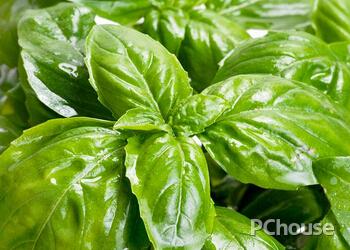
How to eat basil leaves
Basil leaves are a plant with both medicinal value and culinary value. The relatively common way to use them at present is as a seasoning for Western food. But basil leaves actually have many other ways of being eaten as well. Below, let's take a look at what ways there are to eat basil leaves!
The tender leaves of basil can be eaten, and can also be brewed as tea, with effects of dispelling wind, aromatizing, strengthening the stomach, and inducing sweating. In addition, they are also commonly used as a seasoning for pizza, pasta sauce, sausages, soups, tomato juice, dressings, and salads. Many Italian chefs commonly use basil to replace oregano.
At the same time, basil leaves are also a commonly used seasoning in Thai cooking. Dried basil can also be combined with lavender, mint, marjoram, and lemon verbena, 3 large spoonfuls in total, to make a stress-relieving herbal tea.
It is worth mentioning that basil leaves are very suitable for pairing with tomatoes; whether making dishes, simmering soup, or making sauce, the flavor is very unique. Basil leaves can also be mixed with oregano, thyme, and sage and added to hot dogs, sausages, dressings, or pizza sauce, and the taste is very mellow.