How to Store Lesser Wintergreen Essential Oil and a Detailed Explanation of Pyrolaceae Plant Characteristics
How should lesser wintergreen essential oil be stored to preserve its quality and benefits without loss?What are the characteristics of Pyrolaceae plants?
How to store lesser wintergreen essential oil
Essential oils should be placed in dark glass bottles
Essential oils evaporate very easily, so they must be stored in dark glass bottles with a light-blocking effect. Do not store essential oils in plastic bottles, as the chemical components of plastic will damage the quality of the essential oil. Therefore, when choosing essential oils, be sure to choose essential oils in dark glass bottles. Seeing essential oil in a plastic bottle indicates that its quality is very poor.
Essential oils should avoid high temperatures
The easy volatility and easy oxidation of essential oils make them very difficult to preserve. High temperature is also a taboo for essential oils. Usually, never put essential oils in high-temperature places, and keep them away from hot air and high temperatures. It is best to place them in a dry, cool place, and they should not be too close to electrical appliances, let alone placed in the kitchen or bathroom, as this will only make your essential oil no longer effective.
Essential oil bottle caps should be tightened
Because essential oils are easily volatile, to avoid oxidation and rapid evaporation of the essential oil, the bottle cap must be tightened. It is best to open the cap only when using it, to reduce the number of openings and prevent oxygen in the air from oxidizing the essential oil, which can lead to a decline in quality.
Essential oils should be placed in a dark place
Essential oils must avoid contact with sunlight and strong light. Sunlight most easily causes essential oils to deteriorate, so exposure to sunlight must be absolutely avoided. Do not place essential oils in direct sunlight or in places with sunlight; do not expose essential oils under light either, because the temperature and intensity of light may also cause essential oils to deteriorate.
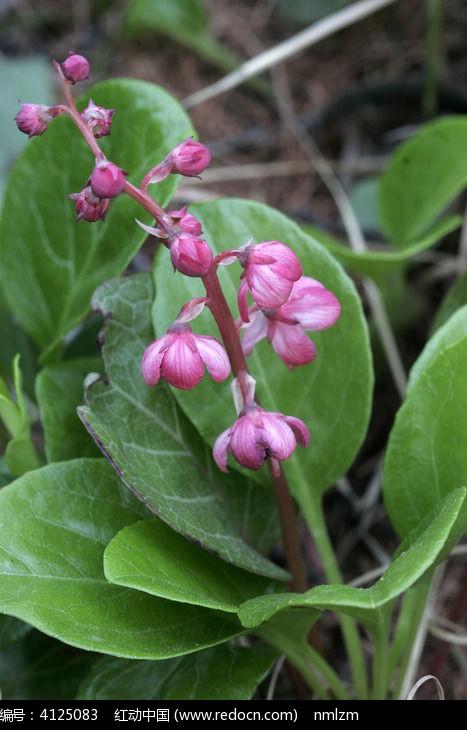
Characteristics of Pyrolaceae plants
Evergreen herbaceous small subshrubs, with slender rhizomes, or perennial saprophytic fleshy herbaceous plants, without chlorophyll, the whole plant colorless and semi-transparent. Leaves are simple, basal, alternate, rarely opposite or whorled, sometimes reduced to scale-like leaves, with finely serrate or entire margins; no stipules. Flowers solitary or gathered into racemes, corymbs, or umbels, bisexual, regular; calyx 5 (2-4 or 6) parted to the base or without sepals; petals 5, rarely 3-4 or 6, stamens 10, rarely 6-8 and 12, anthers opening by apical pores, longitudinally or transversely; pollen in tetrads or single; ovary superior, with or without a disc at the base, 5 (4) carpels united, ovules numerous, axile placentation or parietal placentation, style single, stigma more or less shallowly lobed or rounded-lobed. Fruit a capsule or berry; seeds small, numerous.