How to Store Dill Essential Oil and the Difference Between Dill Seed and Fennel
How should dill essential oil be stored to keep its quality and benefits intact? What is the difference between dill seed and fennel? Do you know? Let us take a look together.
How to store dill essential oil:
Because pure essential oils are extracted entirely from plants, without any adding, filtering or artificial synthesis, their chemical components are very easily affected by air, light, temperature, humidity and so on, which can cause them to deteriorate.
So pure essential oils are usually kept in dark glass bottles, preferably below 18 degrees Celsius; high temperatures will cause the chemical components of the essential oil to change. It is therefore best to store essential oils in a wooden box. For example, a sandalwood or pine box.
Essential oils must be stored in dark glass bottles with a light-blocking effect, which can reduce ultraviolet exposure by 90%. Do not use plastic bottles to store essential oils; the chemical components of plastic will damage the quality of the essential oil.
The difference between dill seed and fennel:
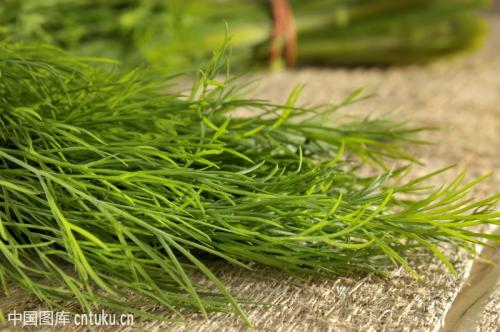
Dill means calmness and the dispelling of things. In ancient times it was called "foreign fennel"; it originally grew in India, looks like fennel, bears small yellow flowers and produces small fruits, and spread from the Mediterranean coast to various European countries. Dill belongs to the parsley family; its leaves are bright green and feathery, and its seeds are small, round and flat, with a pungent, fragrant, sweet taste. It is mostly used to flavor cooking oil and has the benefit of promoting digestion.
Fennel seed can be used as medicine; it warms yang and dispels cold, regulates qi and relieves pain, and is mainly used for stomach cold and vomiting, and low back pain. The "Chinese Pharmacopoeia" records that fennel preparations are commonly used stomachic, cold-dispelling, qi-moving and pain-relieving medicines. Anethole can promote the maturation of bone marrow cells and their release into the peripheral blood. It can be used as a spice and is often used in cooking meat, seafood and baked sesame cakes and other flour foods. In traditional Chinese medicine it is used as medicine; it is warm in nature, pungent in taste, and enters the liver, kidney, spleen and stomach meridians. Its functions are to warm the liver and kidneys, warm the stomach qi, disperse accumulations, dispel cold and relieve pain, and regulate qi and harmonize the stomach. It is used for cold hernia and abdominal pain, sagging testicles, menstrual pain in women, cold and painful lower abdomen, distending pain in the epigastrium and abdomen, poor appetite, vomiting and diarrhea, and other conditions.