Balcony Vegetable Gardening Methods and Techniques Explained in Detail
Introduction: Spinach is known as the "nutrition model student." It is rich in carotenoids, vitamin C, vitamin K, minerals (calcium, iron, etc.), coenzyme Q10 and many other nutrients. Key points for growing spinach on a balcony: 1. Variety selection: pointed-leaf spinach and round-leaf spinach. 2. Growing environment: place the growing pot in a spot on the balcony with good light.
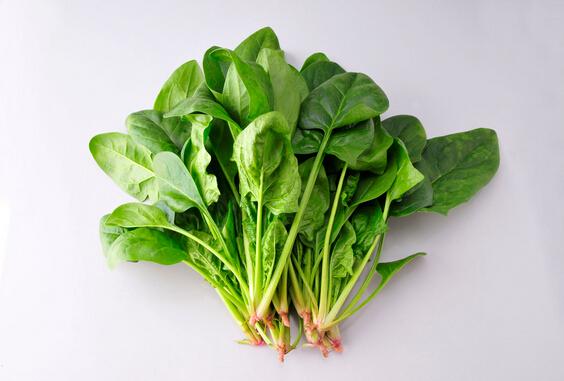
Spinach is known as the "nutrition model student." It is rich in carotenoids, vitamin C, vitamin K, minerals (calcium, iron, etc.), coenzyme Q10 and many other nutrients.
Key points for growing spinach on a balcony
1. Variety selection
Pointed-leaf spinach and round-leaf spinach
2.Growing environment
Place the growing pot in a spot on the balcony with good light, but protect it from long periods of direct sun exposure.
3. Growing season
Spinach prefers cool conditions and is a relatively cold-tolerant vegetable. It can be sown from late August to early April of the following year, and the quality is better when grown in autumn and winter.
4. Sowing
(1) Preparation before sowing
Treatment of the growing medium before sowing: for spinach, choose a pollution-free growing medium. 1-2 days before planting, keep the medium in the pot in its original state without turning it, and use clean water to wet the medium through to the bottom so that it is moist. The medium can also be treated at the same time as sowing, but be sure to avoid the medium being too wet, which causes seed rot, or too dry, which causes uneven germination and emergence.
(2) Sowing time: sow from September to March of the following year, mainly by direct sowing. Use seed soaking and germination to promote sprouting before sowing.
(3) Sowing technique: after watering the potting soil thoroughly, scatter the seeds on the soil surface, cover with about 1 cm of soil, press lightly, and water thoroughly. Keep the soil moist before germination. After sowing, you can also cover with a layer of plastic film to keep the medium moist and help emergence; remove the film promptly when 50% of the seedlings have emerged.
5. Management
(1) Fertilization management: the medium itself contains a certain amount of nutrients, so you can irrigate with fermented organic fertilizer liquid made from materials commonly used in daily life, such as rice-washing water, fruit peels, and kitchen scraps.
(2) Water management: in winter and spring, water once every 5-7 days, aiming to keep the soil moist, and avoid both excessive dryness and excessive wetness. Avoid watering at noon during hot seasons.
For more professional agricultural science and technology information, please scan the QR code to follow WeChat: NongXunNET

Please indicate the source when reprinting.