How to Grow Wampee: A Detailed Guide to the Number of Varieties and Cultivation Techniques
Wampee is also known as huangpi, huanggan, youpi, youmei, huangdanzi, jipi fruit, lychee grape, longan grape, lizhu grape, golden tree grape, and so on.
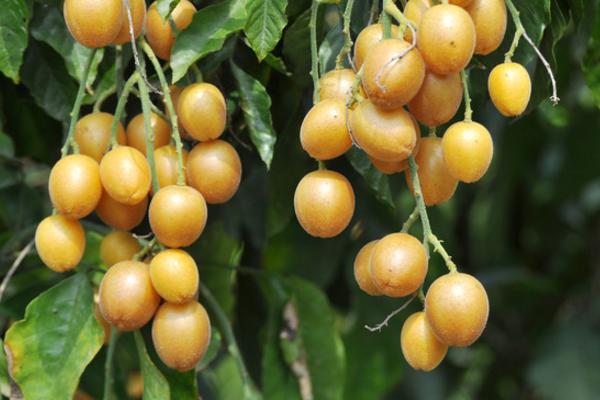
Wampee varieties are extremely abundant, and about fifty to sixty varieties have been discovered to date. There are sour, sweet, or slightly sweet strains, and the fruit shapes include round, oval, and chicken-heart types. Fruit weight varies by variety from 3 to more than 20 grams, containing 1 to 6 seeds or none at all, and superior varieties are all large-fruited and seedless. When ripe, the peel ranges from cream-yellow to golden-yellow or yellowish-brown. The flesh is juicy and fragrant, and the plant usually flowers from March to May, with the ripe period in June to July; some late-maturing varieties cannot be harvested until October.
Wampee grows vigorously, stays evergreen year-round, has an elegant tree shape, and is easy to manage. It is a good material for courtyard landscaping and is especially well suited to cultivation in commercial or family orchards, or as a potted ornamental. For large-scale cultivation, about 60 to 100 plants can be planted per fen of land, and when planting, well-drained loam or sandy loam should be chosen as more suitable. About 2 to 3 years after planting, it begins to flower and bear fruit, and during the fruit ripening period, bagging is needed to prevent damage from fruit flies and birds and to ensure quality.
How to Grow Wampee
1. Planting time: Plant from March to May, when there is plenty of rain and high temperatures, making it easy for roots to take hold and giving a high plant survival rate.
2. Planting density: For large-scale cultivation, about 60 to 100 plants can be planted per fen of land, and a spacing of 2 m × 3 m can be used. Place 50 kg of farmyard manure, 500 g of lime, and 500 g of phosphate fertilizer in the planting hole, and backfill with topsoil so that it is about 20 cm above the ground. This is beneficial for wampee growth.
3. Planting precautions: The roots of wampee seedlings should not come into contact with fertilizer, as this easily damages the roots. Wampee seedlings should be kept upright.
Wampee Cultivation Techniques
1. Temperature: Wampee prefers a warm and humid growing environment. Areas with an annual average temperature above 20°C and a January average temperature above 12°C are the most suitable; below 0°C, adult trees are at risk of freeze damage, and young trees have poorer cold tolerance.
2. Water: Wampee is an evergreen fruit tree that grows vigorously and flowers and fruits abundantly, so it needs a humid environment and sufficient water. In areas with annual rainfall above 1500 mm that is evenly distributed, wampee grows well.
3. Soil: When wampee is planted in well-drained, fertile, deep sandy loam, the tree is vigorous, long-lived, and produces high and stable yields.