The First Cup of Black Tea in Spring: The Flavor and History of Kenya's Tea Gardens in Africa
Since the Zhou Dynasty over 3,000 years ago,
the Chinese people and tea have been inseparable.
But you may never have imagined that
Kenya, far away on the African continent,
is actually the country that exports the most tea.
And the story of Kenyans and tea
begins with two Englishmen a century ago...
The first tea plant a century ago
Kenya's tea history
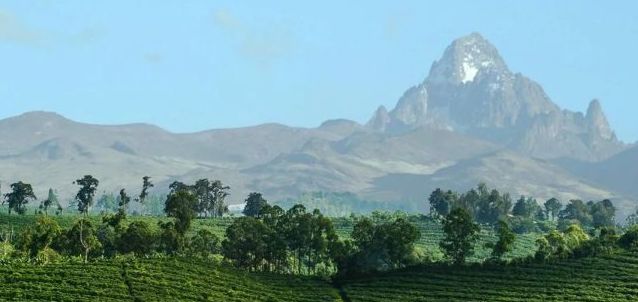
In 1903, in the small town of Limuru in central Kenya, an Englishman named G.W.L. Caine planted a tea plant to beautify his own garden, and from then on tea took root and sprouted at an altitude of 2100 m on Mount Kenya. Later, another Englishman, Arnold Butler McDonell, bought about 2124 mu of land in Limuru and began his life of farm cultivation on this land.
Over the following ten-plus years, McDonell successively tried corn, coffee, flax and many other crops, but all ended in failure. It was not until 1918, when his friend brought him tea seedlings, that he was able to realize his dream on this fertile land in Kenya. Just like Karen running a coffee farm in "Out of Africa," McDonell, who succeeded in growing tea in large quantities, thus also became the first person to make and sell tea in Kenya.
At first, all the tea was processed in his Kiambethu tea garden and sold to traders in Nairobi. Soon, this drink with a rich color and mellow aroma became popular and was planted in other parts of Kenya. Thus, Kenya's inextricable bond with tea officially began to be written.
The charm of "green gold"
A "strength player" in the tea world with a good reputation
Today, Kenyan tea has become the raw material for many well-known international tea bag brands, such as the old French tea merchant Mariage Freres and the British royal tea brand Twinings. And the highly famous Lipton black tea not only uses Kenyan tea leaves, but has even directly built its own tea gardens within Kenya.
Being chosen by these international brands, and becoming fourth in the world in production and first in exports, Kenyan tea is of course excellent enough. Taking root in the fertile volcanic soil of the Rift Valley, with the geographical advantage of a high altitude of 1500-2700, long enough sunshine, almost zero pest damage, and rainfall that ensures sufficient moisture, plus its special geographical location crossing the equator, Kenya's tea gardens thus have a high-yield guarantee of new buds throughout the year.
When the picking season arrives, these tea leaves are almost 100% hand-picked and carefully selected, and then processed using the CTC black tea processing technique in line with international standards, creating Kenyan tea with a rich tea fragrance and a mellow brew. For locals, the most authentic way to drink Kenyan tea is with milk and sugar. Among them, the "national drink" ginger milk tea (Masala Chai), made by boiling black tea, milk, cane sugar and ginger, appears in every corner of Kenya.
If you want to experience the charm of tea in Kenya, you might as well visit the local tea gardens and feel it for yourself. Located in the western part of the Great Rift Valley, the Nandi Hills, the Kericho region known as the "tea capital," and Limuru on the eastern edge of the Great Rift Valley are several areas widely recognized as among the best regions in Kenya for producing tea.
There are many tea gardens around Nairobi, and the famous Kiambethu Farm is one of them. Here, you can not only visit the tea garden, learn about the farm's history and tea-making techniques, but also, led by the farm owner, go into the surrounding forest to look for traces of wildlife. 100% organic vegetables and desserts, African colobus monkeys and all kinds of birds whose names you cannot even call will add a different color to your tea journey.
Kericho, the largest tea-producing region in all of Kenya, is another popular travel destination. Taking a small plane from Nairobi, it takes only about 1 hour to reach this place, which has more than half of Kenya's tea gardens. Endless rolling tea gardens as far as the eye can see, comfortable tea-themed hotels, a complete set of black tea production processes, and a sip of pure, rich black tea make this tea-seeking journey worthy of being called perfect.
Kenya's coastal areas, of course, also have tea. As one of the main international tea trade distribution centers, Mombasa is another excellent place to experience the charm of Kenyan tea. Here, choose a quiet afternoon, find a teahouse and sit down, and quietly savor the taste of tea on your tongue.