Do Edible Mushrooms Need Fertilizer? A Detailed Guide to the Correct Fertilization Method
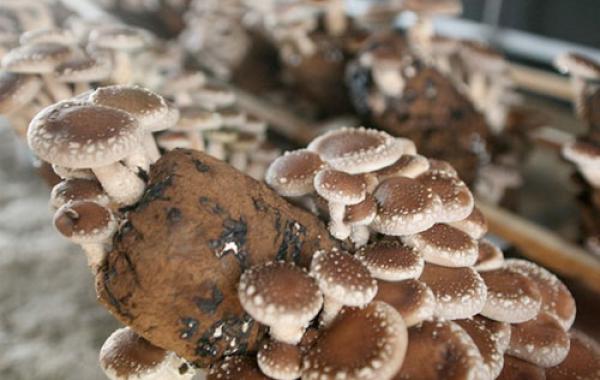
Correct fertilization is an important measure for achieving high yields of edible mushrooms and improving their quality. The role of fertilization is to supplement and adjust nutrient components and to eliminate harmful factors, creating favorable conditions for sustained high yields of edible mushrooms. The specific fertilization techniques are as follows.
Addition methods There are usually 3 methods for adding nutrient solution: spraying, soaking and hole irrigation. The time for spraying nutrient solution is best when fruiting bodies appear in large numbers. When spraying, take care that the nozzle is not pointed directly at the fruiting bodies, and also observe the "four no-spray" rules: 1. Do not spray on young mushroom buds, so as to prevent them from "swelling to death." 2. Do not spray on spots where mushrooms have just been picked or where mushroom remnants remain, so as to prevent bacterial diseases. 3. Do not spray when air humidity is too high. 4. Do not spray when pests and diseases in the mushroom shed (room) are severe.
The soaking method is mainly used for bag-cultivated edible mushrooms. After harvesting 1~2 flushes of mushrooms, if the cultivation bags are in a state of severe water shortage, they can be placed in a prepared nutrient solution to soak until they recover or come close to their original weight.
The hole irrigation method is mainly used on mushroom beds. This method can be used when the mushroom bed produces many mushrooms and water and nutrients are consumed excessively. The specific method is: punch holes in the mushroom bed at a spacing of 10 cm, flood the mushroom bed with the prepared nutrient solution, and cover with soil after adding the nutrient solution.
Proper concentration When the concentration of the nutrient solution is too high, not only is it difficult for the mycelium to absorb it, but it will also hinder or even damage the mycelium. When the concentration is too low, the goal of high yield cannot be achieved. If the water content of the culture material is relatively high, the concentration should be increased, and after adding the nutrient solution, ventilation should be increased. Conversely, the concentration of the nutrient solution should be reduced and the amount of water increased. Commonly used nutrient solution concentrations are: urea 0.3%~0.5%, potassium dihydrogen phosphate 0.2%, etc. Be sure to grasp the principle of "little but frequent."