How to effectively prevent pests and diseases in edible fungi?
How to avoid the occurrence of pests and diseases in edible fungi.
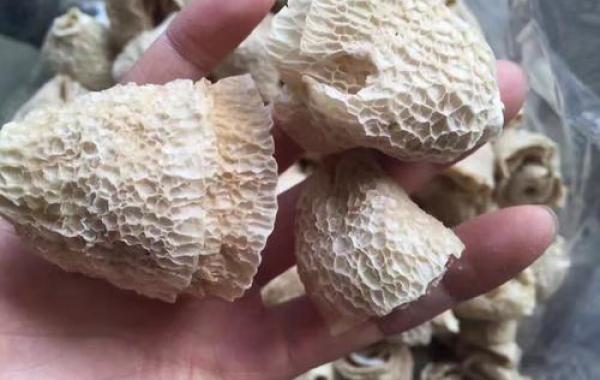
There are more than 350 known species of edible fungi in China, most of which belong to the Basidiomycotina. Common ones include: shiitake mushroom, straw mushroom, button mushroom, wood ear, silver ear, lion's mane mushroom, bamboo fungus, matsutake (Tricholoma matsutake), Tricholoma mongolicum, Russula and porcini, etc.; a few belong to the Ascomycotina, including: morel, saddle fungus, truffle, etc. The above fungi grow in different regions and different ecological environments.
Methods to reduce pests and diseases in edible fungi:
1. Keep the mushroom farm clean:
Before cultivation, the mushroom house must be thoroughly cleaned, and evenly sprayed once with an 800-fold trichlorfon or dichlorvos solution. For outdoor mushroom cultivation, clear the weeds around the cultivation site, and spray the soil and the surrounding area with a 250-fold trichlorfon solution.
2. Prevent adult insects from entering the room:|
For indoor cultivation of edible fungi, doors, windows, ventilation holes, etc. should be nailed with 60-mesh fine gauze to prevent adult insects such as mushroom flies and mushroom mosquitoes from entering the room and causing harm.
3. Trap and kill adult insects:
Adult insects such as mushroom flies and mushroom mosquitoes are phototactic, so black light lamps or fluorescent lamps can be set up, with sticky boards hung around the lamps or a basin of dichlorvos solution placed under the lamp, so that the adult insects touch the pesticide and are poisoned.
4. Fumigation with chemicals:
For indoor cultivation of edible fungi, under sealed conditions, fumigate with 2~3 tablets of aluminum phosphide per cubic meter of space to eliminate indoor insect sources.
5. Treat the compost:
For every 50 kg of compost, use 15 ml of dicofol, mix with 10 kg of water, and spray evenly on the material, stirring the material while spraying. After spraying, pile it up for 3 days, which can eliminate the insect sources in the material. Alternatively, mix 40% phoxim 500-fold solution or 2.5% deltamethrin 1000-fold solution into the compost, both of which have good insecticidal effects.
6. Spray pesticide to kill insects:
If pests are found before mushroom fruiting, spray the bed surface with 500-fold trichlorfon solution or 1000-fold deltamethrin solution or 800-fold dichlorvos solution to kill the insects.
The edible fungus industry is a short, flat, and fast rural economic development project that integrates economic, ecological, and social benefits. Edible fungi are also a type of organic, nutritious, and health-promoting green food. Developing the edible fungus industry meets the needs of people's growing consumption and the sustainable development of agriculture, and is an effective way for farmers to get rich quickly.
Edible fungus pests should be prevented mainly. Prevention is more important than treatment. The cultivation environment should be clean. A good ventilation and air exchange environment. In high-temperature seasons, insect-proof nets should be used. The compost must be thoroughly treated. Before cultivation, insecticides should be sprayed inside and outside the mushroom house for treatment. If conditions permit, insect-killing lamps can be installed in the mushroom house. Once pests occur, biological pesticides or high-efficiency, low-toxicity pesticides can be used locally for control.