What are the chemical control methods for edible mushroom pests?
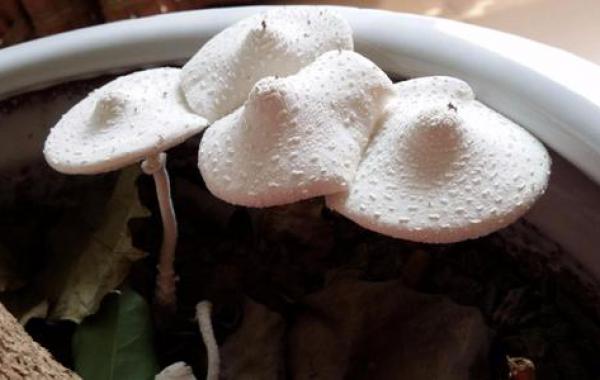
How are chemicals used to control pests in edible mushrooms.
Techniques for using chemicals to control pests in edible mushrooms.
1. When mixing the substrate, add pesticides such as phoxim or phoxim-dichlorvos mixture; the dosage is generally about 100 ml per 1000 kg of dry material. For raw-material cultivation, it can simply be added during substrate mixing. For fermented-material cultivation, the best timing is to add it before the final turning of the pile; after high temperature and pile fermentation, the insecticidal effect is very good.
2. Within a certain distance outside the shed, after cleaning up waste material, highly effective insecticides such as trichlorfon can be used to kill insects and cut off the routes by which pests arrive.
3. Outside the shed and at the ventilation openings and entrances and exits of the shed, cypermethrin-type highly effective, low-residue pesticides can be sprayed to prevent crawling insects from entering the shed.
4. Inside the mushroom shed, pesticides such as cypermethrin can generally be sprayed to kill insects, and abamectin can be used to kill mites. For pests such as mushroom gnats and mushroom flies, if conditions permit, highly effective insect repellent can be used to repel them. The mechanism of this pesticide is: it uses a pesticide odor that adult mushroom gnats and mushroom flies dislike to repel them, so the adults do not dare enter the shed and certainly cannot enter the substrate to lay eggs. After the adults are repelled, the larvae that would cause damage have no opportunity to do so. This odor makes mushroom gnats and mushroom flies avoid it as much as possible; even if an occasional insect enters the shed, it will quickly flee because the odor is unpleasant and will be unable to cause damage. Method of use: generally in autumn, spray once every 2 days, preferably at a 200-fold dilution. In areas with poor environmental conditions and high insect population density, the concentration can be increased to about a 100-fold dilution, or the interval between applications can be shortened to 1 day. This pesticide is a biological preparation, non-toxic and residue-free.
1. As far as possible, use fermentation or cooked-material cultivation to limit the insect population in the cultivation base; the cultivation bed for button mushrooms should use fermented material. When mixing the substrate, add 0.5% salt, 3% lime, 5-8% plant ash, etc., which has a good insect-repellent and preventive effect.
2. Before mushroom bags or cultivation material are brought into the shed, empty-shed disinfection should be carried out: fumigate with 0.3% dichlorvos + 0.1% decamethrin; or fumigate with aluminum phosphide at 10 g/cubic meter, sealing the mushroom house (shed), fumigating for 48 hours at about 20°C and for 24 hours above 25°C. The insecticidal effect can reach 95-100% (Note: aluminum phosphide is highly toxic, so pay attention to safety when using it). It mainly controls mushroom nematodes, mushroom flies, mushroom gnats, etc.
3. When pests occur on the surface of bed-cultivated material, spray a 1-2% laundry detergent solution, which has a very strong contact-killing effect on mushroom flies, adult mites, and old and young mites.
4. Install several 15-watt light bulbs or black-light lamps in the pest-infested mushroom house, place a basin of water below, and drip kerosene into the water; this is extremely effective for trapping and killing adults such as mushroom gnats, fungus gnats, and dark-bellied fruit flies.
5. Sugar-vinegar liquid trapping and killing: prepare a medicinal liquid with sugar, vinegar, baijiu, dichlorvos, and water in a ratio of 2:3:4:1:90. Soak gauze or cotton balls in the liquid, wring them dry, and place them on the surface of the material. When pests smell the sugar-vinegar odor, they crawl onto the medicated cloth or cotton and are poisoned to death.
6. Taking advantage of the rule that some pests like to move in environments such as translucent and cool conditions, spray liquids such as miehailing onto translucent plastic film, cover the bed with it, and spray 1-2 times a day for 3-4 consecutive times, which can kill adult flying insects.
7. Mix foods that pests like to eat with poison. For example, mix vinegar, sugar, insecticide, and roasted yellow bran in a ratio of 1:5:10:84, stir well, and scatter it around the mushroom bed and on the surface of the material for them to feed on; for pests such as mushroom flies, mushroom gnats, and nematodes, plant ash + pyrethrum (1 g/square meter) can also be evenly scattered in a layer on the surface of the material for 2-3 consecutive days, with very good results, controlling both insects and diseases.
8. In low-temperature seasons, for pests such as mites in the bed, the method of "first luring them out, then killing them" can be adopted: on a sunny morning, first spray the bed surface with sugar-vinegar liquid, cover with plastic film, pull open the straw curtains, and raise the temperature. At this time, large numbers of pests will crawl from deep layers onto the bed surface or the plastic film. In the afternoon, remove the plastic film at the proper time, take it out of the mushroom shed, wash off the attached insects with water, and at the same time spray the bed surface with a high-dose, low-toxicity insecticide and then cover with film. After doing this 3-5 times consecutively, the pests can be eliminated. Create environmental conditions to suppress the occurrence of diseases, pests, and contaminating microorganisms. Use the gaps between the conditions under which contaminating microorganisms and diseases and pests occur and the range of conditions for the growth and development of edible mushrooms, and regulate temperature, humidity, moisture, light, pH, nutrition, and air conditions to suppress the harm of contaminating microorganisms and diseases and pests, and promote the normal development of edible mushrooms.