How to use insecticides for the best results? A detailed guide to the correct method of use
No matter what crop we are growing, pest control is always very important. Pest control is a key measure to ensure that crops grow healthily and are not harmed by pests. When we carry out pest control, insecticides and other pesticides are the main chemicals used to kill pests. So how should we use insecticides to ensure the best results? Today, the editor will give you a brief introduction. Let's take a look below!
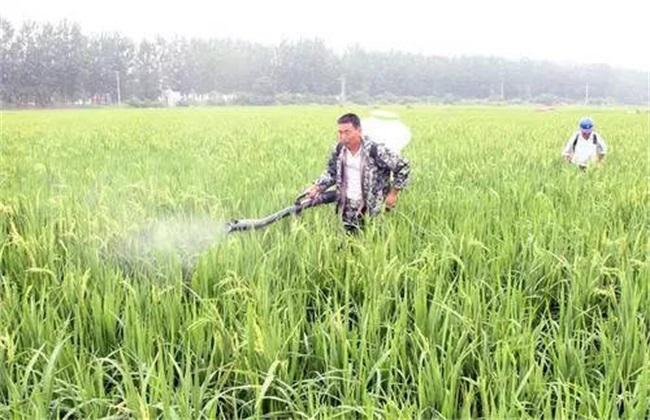
1. Pest habits and timely application
There are many kinds of pests. Some are mainly active in the morning, while others are mainly active at night. Based on this, we should spray at 9-10 o'clock and after 16 o'clock. This is because after 9 o'clock, the dew on the crops has gradually dried, and this is also the time when diurnal pests are most active. Therefore, applying the pesticide at this time allows the pests to come into direct contact with the spray liquid, improving the efficiency of pest killing. After 16 o'clock, the ultraviolet radiation in sunlight decreases and the temperature gradually drops. This is also the activity period of nocturnal pests, so applying the pesticide at this time can effectively control nocturnal pests.
2. Pest mouthparts and choosing the right pesticide
There are many kinds of pests, and they also have different types of mouthparts. First are pests with chewing mouthparts, which mainly feed by gnawing on the roots, stems, and buds of crops. Pests with piercing-sucking mouthparts mainly feed by sucking the liquids in crops. Therefore, if we want to improve the control effect of insecticides, we also need to choose the pesticide according to the pest's mouthparts. For example, contact insecticides, systemic insecticides, and others. When controlling piercing-sucking pests, an appropriate amount of penetrant can be added to the pesticide, which can effectively improve its control effect.
3. Application methods
The parts of crops that pests damage also differ. For example, underground pests mainly harm the roots of crops and the stems at ground level. Therefore, when controlling underground pests, we can spread the pesticide on the ground and then carry out deep plowing and intertillage to fully mix the pesticide with the soil. At the same time, it can also be poured around the roots, or made into poison bait and applied between crop rows for control. For gnawing pests, stomach poisons and contact insecticides should be the main choice, applied by spraying for control.
4. Other measures
When using insecticides, be careful not to use a single pesticide for a long time. Otherwise, pests will become increasingly resistant to the pesticide, and the offspring produced after adult mating will be even more resistant. Therefore, when applying pesticides, we should rotate pesticides to avoid pests developing resistance. Then, based on the characteristics of the pesticides, we can also mix pesticides and add an appropriate amount of synergist, which can improve the pesticide's effectiveness, enhance its pest-killing effect, and at the same time prevent pests from developing resistance. Finally, when choosing pesticides, it is best to mainly use biological pesticides with high efficiency, low toxicity, and low residue.
The above is a brief introduction to how to use insecticides for the best results. That is all for today's introduction. This article is for reference only, and I hope it can help everyone!