What are the drawbacks of chemical pesticide control?
Pesticides are key items used to control pests and diseases during planting and production. Rational use of pesticides can control many kinds of harmful organisms, and the scope of application of chemical pesticides is also very broad, so their advantages are quite obvious. However, although there are advantages, there are also many drawbacks. So what are the drawbacks of chemical pesticides? Below, the editor has brought you the drawbacks of chemical pesticide control. Let's take a look!
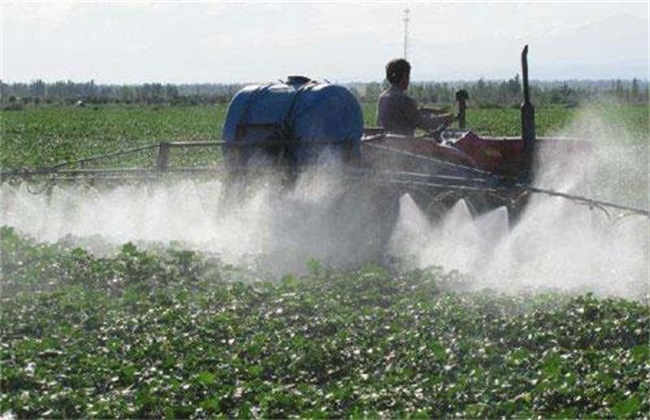
1. Affects beneficial microorganisms and natural insect enemies
During planting and production, there are also many natural enemies of pests in the field. These natural enemies can usually control the number of field pests through methods such as predation or parasitism. Beneficial microorganisms, on the other hand, can produce antagonistic effects and can effectively prevent the reproduction of pathogenic bacteria. However, when we use chemical pesticides, although they can eliminate harmful organisms such as pests, diseases and weeds, they also cause harm to natural insect enemies and beneficial microorganisms. This causes harmful organisms to lose the limits imposed by their natural enemies, and instead the threat of harmful organisms arises.
2. Harmful organisms develop resistance
When the threat of harmful organisms first appears in the field, rational use of chemical pesticides can effectively achieve a control effect. But if they are not used scientifically or the same chemical pesticide is used alone for a long time, then antibodies to a certain chemical pesticide will appear among the harmful organisms, becoming a new harmful organism population. Especially for pests and weeds, this will greatly increase the difficulty of control.
3. Causes poisoning
As a control agent, chemical pesticides themselves contain relatively high toxicity. If the toxicity is not strong, then their control effect will be affected. Therefore, most of the components in chemical pesticides are mainly harmful substances. And when we use them, if management or use is improper, then it can very easily lead to poisoning of humans and livestock. In particular, some pesticide residue liquid remaining on crops, if accidentally eaten, can also very easily cause the consumer to experience poisoning.
4. Prone to causing phytotoxicity
When spraying pesticides, if the application amount is too much or the selection is improper, then it can very easily cause phytotoxicity in crops. In mild cases, it affects the normal growth of crops; in severe cases, it can lead to crop death. At the same time, after pesticides are applied, part of the pesticides will enter nature along with it. Although some can be degraded and become ineffective through light and microbial decomposition, there is also a portion that cannot be degraded, which will pollute the environment. At the same time, it will also enter the human body through the food chain, causing harm to human health.
The above is a brief introduction to the drawbacks of chemical pesticide control. That is all for today's introduction. This article is for reference only, and I hope it can be helpful to everyone!