How to use mepiquat chloride? Detailed explanation of usage methods and precautions
Mepiquat chloride is a plant growth regulator used during the flowering period of crops. It can promote reproductive growth of crops, inhibit excessive growth of branches and leaves, shape the plant architecture of crops, increase the number and vitality of roots, and increase yield and improve quality. It is especially widely used in cotton fields. Below, let's take a look at the usage methods and precautions of mepiquat chloride with the editor.
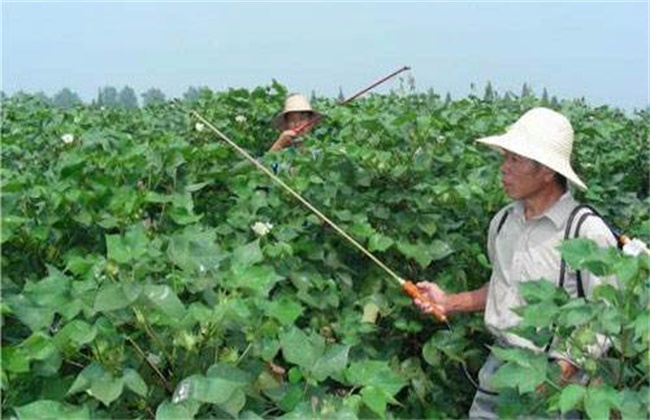
I. Usage methods
1. Seed soaking
If cotton seeds have not undergone seed coating treatment, mepiquat chloride can be used for seed soaking. Generally, add 1-2 grams of mepiquat chloride to every 10 kg of water, soak the cotton seeds for 8-12 hours, then remove them, drain the water, and sow. This can promote cotton root development and enhance the stress resistance and lodging resistance of seedlings.
2. Spraying at seedling stage
Around late June, based on the growth vigor and appearance of cotton seedlings, apply the chemical. From the three-leaf stage to the squaring stage, use 0.5-1 gram of mepiquat chloride per mu, mix with 20-30 kg of water, and spray over the top. During spraying, even coverage is required. When necessary, the number of applications can be appropriately increased according to actual conditions to properly control plant architecture and coordinate fertilizer and water management.
3. Spraying at early flowering stage
At the early flowering stage of cotton, use 2-3 grams of mepiquat chloride per mu, mix with 30-40 kg of water, and spray. This can significantly inhibit excessive plant growth, optimize the canopy structure, delay row closure, and increase boll quality.
4. Spraying at flowering and boll stage
Generally in mid-August, use 3-4 grams of mepiquat chloride per mu, mix with 40-50 kg of water, and spray on the leaves. This is mainly to inhibit the growth of ineffective branches, buds, and young shoots in the later period, prevent delayed maturity due to excessive vegetative growth, increase the number of autumn bolls set, and increase single boll weight.
II. Precautions
Mepiquat chloride should be used on fields with good fertilizer and water conditions and vigorous growth. It should not be used on plots with dry climate and no guaranteed irrigation, nor when crops are suffering from pests, diseases, or natural disasters, or when growth is inhibited. Do not overdose in a single application. Especially at the seedling stage and flower bud stage, overdose can cause slow plant growth, clustered fruiting branches, failure of leaves to unfold normally, and massive shedding of flower buds and cotton bolls, resulting in severe yield reduction. After spraying mepiquat chloride, pay attention to fertilizer and water management. Do not neglect watering and fertilizing just because leaf color becomes darker after spraying. In addition, the spraying time should preferably be chosen at 10 a.m. or around 5 p.m. on a sunny day. If rain occurs within 8 hours after spraying, spray once again.
The above is an introduction to the usage methods and precautions of mepiquat chloride. I hope it can help you. If you want to learn more related knowledge, please stay tuned to us.