What are the precautions for using chlormequat chloride?
Plant growth regulators can effectively regulate crop growth in agricultural production, achieving stable and increased yields, improving quality, and enhancing crop disease resistance. Chlormequat chloride is one of them, mainly used during the flowering and fruiting stages, and often used on crops with shorter growing periods. So how should chlormequat chloride be used? What precautions are there? Let's learn about it together.
1. Compound formulation technology
During the use of chlormequat chloride, mixing it with certain agents can produce better results. First, it is suitable for compound formulation with fertilizers, such as chlormequat chloride + boric acid. This mixed agent is often applied to grapes and can make up for the shortcomings of chlormequat chloride. Experiments have shown that spraying chlormequat chloride half a month before the grape flowering stage can greatly increase yield, but it will reduce the sugar content of grapes. This mixed agent, however, can play a role in controlling growth and promoting fruit set, and can also overcome the side effect of reduced sugar content caused by the use of chlormequat chloride. It can also be compounded with other growth regulators, such as inhibitory fruit-setting agents and grain yield-increasing agents. Their function is to control excessive growth and increase the fruit-setting rate, mainly including chlormequat chloride + ethephon, ethephon + abscisic acid, chlormequat chloride + ethephon + copper sulfate, chlormequat chloride + pyrimidinol, chlormequat chloride + gibberellin, abscisic acid + gibberellin, etc.
2. Precautions
Chlormequat chloride can be used in combination with urea and acidic fertilizers and pesticides, but it must not be mixed with alkaline fertilizers and pesticides, because chlormequat chloride will decompose when encountering alkali and lose its original effect. Chlormequat chloride is only suitable for land with sufficient fertility and good growth, while plots with poor fertility and weak growth are not suitable for use. When using it, the medication must be applied strictly according to the instructions. Without practical experience, the dosage must not be increased or decreased at will, so as to avoid phytotoxicity. In addition, when spraying, first conduct a small-area trial to ensure there is no problem before spraying over a large area. Chlormequat chloride has low toxicity, so when using it, never let it enter the mouth or come into prolonged skin contact. It is best to wear protective equipment when spraying, and clean up promptly after spraying.
3. Harm of excessive use of chlormequat chloride
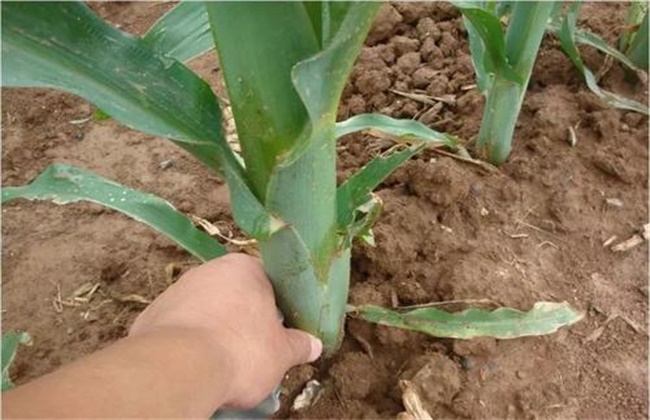
First, it will harm crop growth. Excessive application will cause plants to be unable to grow normally, specifically manifested as stunted plants and stagnant growth, affecting growth and yield. In this case, diethyl aminoethyl hexanoate, brassinolide, gibberellin, etc. should be sprayed promptly for rescue, so as to stimulate crop growth and enhance plant photosynthesis, thereby achieving the purpose of alleviating phytotoxicity, eliminating the impact, and ensuring stable yield. In addition, after using drugs similar to chlormequat chloride, if the soil is replaced with suitable soil, its decay period is two years, which means that if the soil is not changed within two years, then nothing can be grown in these two years.
The above is an introduction to what should be noted when using chlormequat chloride. I hope it can help you. For more related knowledge, please stay tuned to us.