What are the effects of paclobutrazol? A quick guide
Paclobutrazol is a growth regulator often used in planting and production, and it is very beneficial to plant growth. It can inhibit the elongation of plant stems, promote plant tillering, and is also very helpful for plants' stress resistance. Moreover, paclobutrazol is suitable for many kinds of plants, and its effects are all quite good. So what exactly are the effects of paclobutrazol? Below, the editor will give a brief introduction for everyone. Let's take a look together!
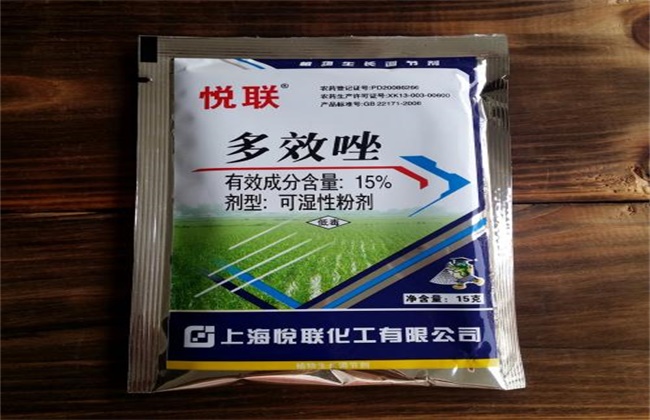
1. Changing hormone levels
For plants, paclobutrazol can continuously inhibit the synthesis of gibberellin, delay their growth time, shorten internodes, and prevent plants from growing too tall. It can also reduce the synthesis of indoleacetic acid in the plant. It increases the content of endogenous abscisic acid in the plant and promotes the release of ethylene. This deepens the color of the plant's leaves and increases the content of chlorophyll, nucleic acids, and photosynthetic pigments. It can also enhance the plant's anti-aging ability and vitality.
2. Improving plant stress resistance
Paclobutrazol can also improve plants' stress resistance and disease resistance. It causes the plant's epidermal cells to expand and then sink, thereby increasing stomatal resistance, inhibiting transpiration, and reducing water evaporation. After water evaporation is reduced, the threats to plant cells are reduced, promoting normal growth and development. It enhances the plant's own drought resistance. And when paclobutrazol is applied, it can also improve the plant's cold resistance. This is because paclobutrazol can increase the content of abscisic acid, a stress hormone in plants, and reduce the damage caused by low temperatures to the leaves.
3. Promoting lateral bud growth
Paclobutrazol has a very good inhibitory effect on plant elongation. It can reduce the plant's apical dominance, so it is very beneficial for the growth of lateral buds. Especially for the growth of crops such as rice, it can promote rice seedling tillering, advance the time of rice seedling tillering, and increase the amount of tillering. This prevents rice from growing too tall, dwarfs the rice plant, and thickens the base of the rice stem.
4. Fungicidal effect
In fact, paclobutrazol was originally used mainly as a fungicide. Paclobutrazol has a clear control effect on various plant diseases, such as rapeseed sclerotinia rot, wheat powdery mildew, and apple anthracnose. This is because paclobutrazol can inhibit the activity of the pathogens of these diseases. It has broad-spectrum antibacterial activity, and at the same time can also inhibit weed growth, dwarf weeds, delay weed growth, and reduce weed damage.
5. Application on fruit trees
Paclobutrazol's application on fruit trees is also very good. Paclobutrazol can control the growth of fruit tree branches and shoots, dwarf fruit trees. It promotes flower bud differentiation in fruit trees, increases the flowering amount of fruit trees, and can effectively control fruit set in fruit trees. This regulates the harvest time of fruit trees, and not only can it increase the yield of fruit trees, but their quality can also be greatly improved. In addition, it can also reduce the amount of branch pruning, which is very beneficial for the growth of fruit trees.
The above is a brief introduction to the effects of paclobutrazol. That is all for today's introduction. This article is for reference only, and we hope it can be helpful to everyone!