Glyphosate Roundup Cancer Case: US Court Orders Monsanto to Pay 2 Billion USD
On May 13 local time in the United States, a San Francisco court ordered German chemical and pharmaceutical giant Bayer to pay 2.05 billion USD to a couple; the plaintiffs argued that they were diagnosed with cancer after using Roundup herbicide (also known as RangerPro, glyphosate) under Bayer's subsidiary Monsanto. This is already the
On May 13 local time in the United States, a San Francisco court ordered German chemical and pharmaceutical giant Bayer to pay 2.05 billion USD to a couple; the plaintiffs argued that they were diagnosed with cancer after using Roundup herbicide (also known as RangerPro, glyphosate) under Bayer's subsidiary Monsanto. This is the third time the company has been found liable to cancer patients, and this time the damages awarded set a record high.
This is the third successful verdict in the United States. In August 2018, a San Francisco state court jury ruled that Monsanto must pay 289 million USD to a California gardener because it found that he often used “RangerPro” herbicide and developed cancer. The damages were later reduced to 78 million USD, and the case is currently under appeal. In March 2019, a San Francisco federal jury found that “RangerPro” caused another California man to develop cancer and ruled that Monsanto should pay 80 million USD. Monsanto also said at the time that it would appeal. Both of the above outcomes came from California jury verdicts, and it is believed that a large number of similar cases will follow. Bayer will face a large number of huge damages awards, and the best outcome for Bayer is most likely to reach a settlement with the federal government as soon as possible to avoid similar class actions.
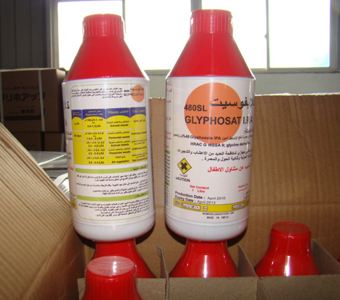
The main ingredient of Roundup glyphosate herbicide is precisely the controversial chemical substance glyphosate, which is widely used in agricultural planting in various countries. It was successfully developed by Monsanto in the 1970s and widely applied. Subsequently, Monsanto launched genetically modified companion seeds, enabling farmers to plant crops while killing weeds. This is also the reason why anti-GMO and anti-glyphosate abuse are tied together. Before the above three cases appeared, Monsanto had always denied that glyphosate herbicide could cause cancer. Nevertheless, in various countries glyphosate began to face official resistance. In August 2018, the Brazilian government listed glyphosate as a dangerous product, although this move was criticized by local agricultural associations, while China was not on this list. In a statement after the ruling, Bayer Group said it was disappointed with the jury's decision and would appeal. Bayer claimed that this result conflicts with the recent review by the U.S. Environmental Protection Agency (EPA) of herbicides containing glyphosate, which concluded that glyphosate is unlikely to cause cancer in humans.
Bayer's statement also mentioned: “Products containing glyphosate can be used safely, and glyphosate does not cause cancer. Major global health regulatory agencies share this consensus.”
Bayer pointed out that the plaintiffs' medical history already had risk factors for non-Hodgkin lymphoma, a cancer that affects white blood cells. Bayer acquired Monsanto for 63 billion USD in 2018, and the two merged to become the world's largest agrochemical giant. Bayer announced in April 2019 that it currently faces more than 13,000 related lawsuits across the United States, while in other global markets, there has so far been no effective response to the above outcome.