Haworthia cooperi leaves shrivelled? Find the cause and treat it accordingly
It is generally caused by improper care, and overall it comes down to three aspects: the root system, humidity and light.
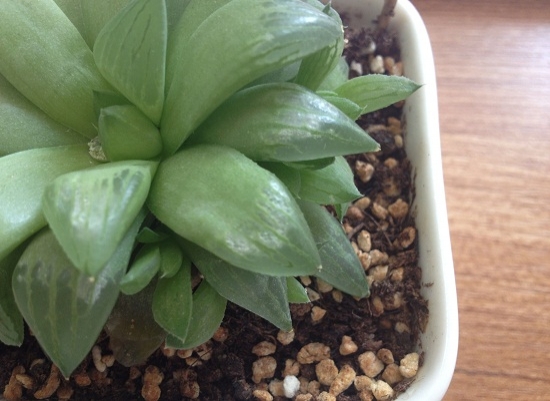
Causes of shrivelled Haworthia cooperi leaves
1. Problems with the Haworthia cooperi root system
The most common cause of shrivelled Haworthia cooperi leaves is a root problem. Some people do not understand the soil environment Haworthia cooperi needs; although they plant it, it stays in poor condition the whole time and the leaves gradually shrivel, especially the leaves at the base. This is a typical sign that the roots have not settled in. Haworthia cooperi mainly relies on the nutrients in its leaves to sustain itself, and if the roots are poor they cannot supply enough nutrients to the leaves, which is why the leaves shrivel. This situation can last quite a long time, so if growers see that their Haworthia cooperi has not grown for a long time and the leaves are shrivelled, they can consider digging it out and repotting it in fresh soil. Of course, this should be done with reference to the two causes below, to check whether some other cause is making the leaves shrivel.
2. Humidity problems
You may have come across the enclosed growing method for Haworthia cooperi; in fact this is a care method that makes use of providing a high-humidity environment for the plant. In such an environment, Haworthia cooperi becomes more plump and juicy. If a grower's environment is dry and has plenty of light, then the Haworthia cooperi will most likely shrivel.
3. The light factor
Haworthia cooperi cannot tolerate strong light. If the light is very strong, its leaves will shrivel and not be plump, so growers should pay as much attention as possible to the light their Haworthia cooperi receives.
For everyone who grows Haworthia cooperi, if you find that your plant's leaves have shrivelled, you can refer to the three points above, find the cause of the shrivelling, and help the shrivelled Haworthia cooperi recover as soon as possible.