What bonsai plants are suitable for placement in the bedroom?
The bedroom and dressing table govern a person's overall fortune; if married, they govern the couple's affection and happiness. Placing Rieger begonia (Begonia × hiemalis) can increase deep affection, placing white orchids or lilies can dissolve the knot of discord between spouses or lovers, and placing purple shamrock (Oxalis triangularis) can increase happiness in the relationship…… So what bonsai plants can be placed in the bedroom? Below, the editor has selected a few plants to introduce to you.
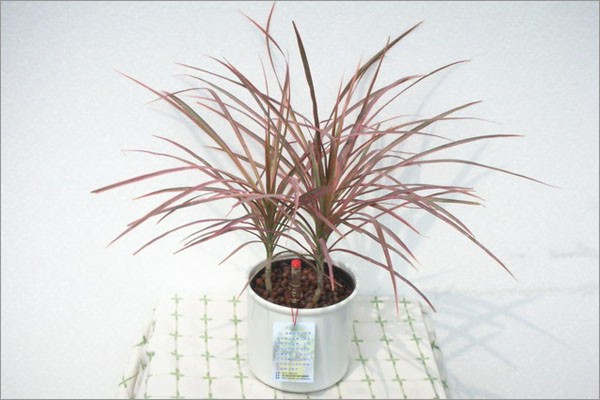
1. Dragon tree
With just a little care, it can grow for a long time and bring high-quality air. When it comes to suppressing harmful substances, few other plants can compare with the dragon tree. Its leaves and roots can absorb xylene, toluene, trichloroethylene, benzene and formaldehyde, and break them down into non-toxic substances.
Light conditions: neutral plant, suitable for planting in semi-shade. Care required: keep the potting soil moist, fertilize regularly. Can remove: toluene, xylene, benzene, trichloroethylene, formaldehyde
2. Ivy
It can effectively resist the carcinogens in nicotine. Through the tiny stomata on its leaves, ivy can absorb harmful substances and convert them into harmless sugars and amino acids.
Light conditions: neutral plant, suitable for planting in semi-shade. Care required: keep the potting soil moist, fertilize regularly. Can remove: formaldehyde, nicotine
3. Peace lily
It is an “expert” at suppressing waste gases exhaled by the human body, such as ammonia and acetone. It can also filter benzene, trichloroethylene and formaldehyde from the air. Its high evaporation rate can prevent the nasal mucosa from drying out, greatly reducing the likelihood of illness.
Light conditions: shade-loving plant, suitable for a warm, damp and shaded environment. Care required: keep the potting soil moist and fertilize regularly; the leaves need frequent misting. Can remove: ammonia, acetone, benzene, trichloroethylene, formaldehyde
4. Weeping fig
This type of plant displays many excellent qualities. It can raise the humidity of a room, which benefits our skin and breathing. It can also absorb formaldehyde, xylene and ammonia and purify stale air.
Light conditions: neutral plant, suitable for planting in semi-shade. Care required: plenty of water, keep the potting soil moist. Can remove: formaldehyde, toluene, xylene, ammonia
5. Areca palm
It can evaporate one liter of water a day, making it the best natural “humidifier.” In addition, its green palm fronds have a very effective purifying effect on xylene and formaldehyde. Misting the plant regularly not only keeps it lush and green but also cleans the stomata on the leaf surface.
Light conditions: sun-loving plant, needs plenty of sunlight. Care required: keep the potting soil moist, fertilize regularly. Can remove: xylene, toluene, formaldehyde
6. Boston fern
It can absorb about 20 micrograms of formaldehyde per hour, so it is considered the most effective biological “purifier.” People who work with paint and coatings all day, or who have smokers around them, should place at least one fern in their workplace.
Light conditions: neutral plant, prefers a semi-shaded environment. Care required: keep the potting soil moist, needs frequent misting. Can remove: xylene, toluene, formaldehyde
7. Umbrella tree
It brings fresh air to households with smokers. Its pretty duck-foot-shaped leaves can absorb nicotine and other harmful substances from smoke-filled air and, through photosynthesis, convert them into harmless substances of the plant's own.
The umbrella tree has low requirements for its growing environment, making it very suitable for inexperienced growers. If the tender shoots near the buds are pruned away, it can grow to 3 m tall and become very beautiful and dense. Larger umbrella trees need to be supported with bamboo poles.
Light conditions: neutral plant. Care required: water moderately, does not like soil that is too wet. Can remove: nicotine
8. Spider plant
A spider plant placed in a small space such as a bathroom, windowsill or shelf is very eye-catching. Its slender, graceful leaves and stems can effectively absorb the formaldehyde released by curtains and other items, and thoroughly purify the air. The naturally drooping leaves and stems of the spider plant are very attractive, and when it is lush and leafy it will even occasionally rotate slightly. And caring for it is not complicated at all.
Light conditions: neutral plant. Care required: keep the potting soil moist. Can remove: formaldehyde