Detailed Explanation of Key Techniques for Propagating Potted Osmanthus by Seed
Osmanthus grown from seed takes many years to reach flowering, so home gardeners rarely use this method. Osmanthus fruit ripens in April to May; it can be harvested once the skin turns from green to purplish black.
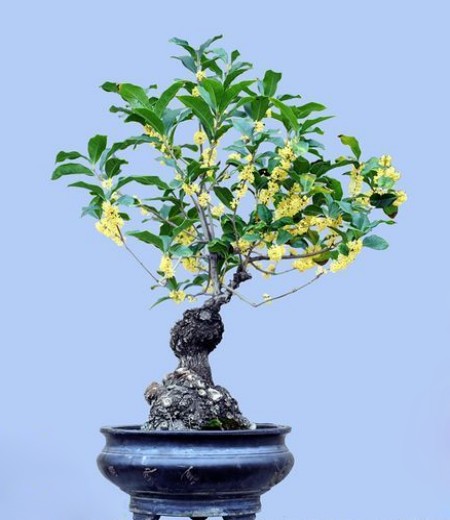
Osmanthus seeds have an after-ripening requirement and need at least half a year of sand storage. After harvesting, sprinkle with water and pile to ferment, remove the flesh, place in a cool spot to let the seeds air-dry naturally, then store mixed with sand. After sand storage, they can be sown in autumn or spring. During sand storage, check frequently to prevent the seeds from rotting or being damaged by rodents.
Seed propagation generally uses the drill sowing method. Before sowing, prepare the soil well and apply plenty of base fertilizer; sowing can also be done in an indoor seedbed. When sowing, place the seeds with the hilum facing sideways, so the radicle and young stem do not curve, which would affect seedling growth later; after sowing, cover with a layer of fine soil, then cover with straw to provide shade and retain moisture, and keep the soil moist at all times. Seedlings will emerge the same year.
About 20kg of seed is used per mu, producing around 30,000 seedlings. After the seedlings grow in the seedbed for 2 years, they can be transplanted for cultivation in the 3rd year. Seed-grown plants flower relatively late, only blooming 8-10 years after planting out.