Propagation Methods and Cultivation Techniques for Winter Jasmine Bonsai
Winter jasmine, also known as golden plum or small yellow flower, is named for being the earliest to bloom among all flowers, and its blooming heralds the spring when all flowers bloom together. Along with plum blossom, narcissus and camellia, it is collectively known as one of the Four Friends in the Snow, and is one of China's precious flowers. Winter jasmine is not only elegant and beautiful in flower color with extraordinary temperament, but also fears no cold, is not choosy about soil, and has strong adaptability, and has always been loved by people.
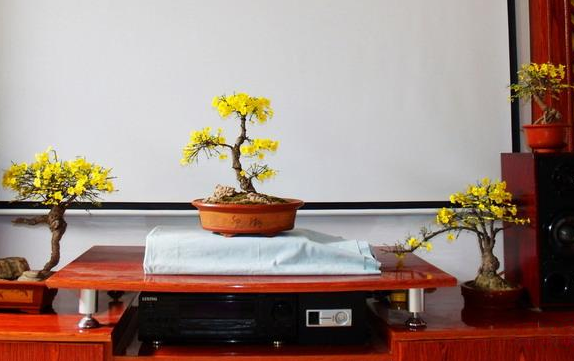
Winter jasmine can be propagated by division, layering or cuttings. Division is usually carried out in spring or autumn, but early spring before the flower buds sprout is best. Layering or cuttings are generally carried out about a week after the flowers fade. For layering, first cut the bark of the branch to be buried with a knife to facilitate rooting. Cuttings can be taken in a hotbed or directly in the open field. Select robust 2-year-old branches as cuttings, with a length of 15 cm to 20 cm being suitable, bury 1/3 of the branch in the soil, and keep the soil moist. Roots will form in 2 to 3 weeks. When the young roots change from white to yellow-brown, begin transplanting. In the early stage after transplanting, shade with a shade net or reed curtain for 5 to 7 days, and the survival rate of seedlings will be relatively high.
Potted winter jasmine is repotted from after leaf drop in winter to before sprouting in spring. The potting soil should be loose, fertile sandy soil with good drainage and water retention. After planting, water thoroughly and place in a wind-sheltered, sunny spot for care. During the growing season, water only when the soil is dry, and water thoroughly when you do, avoiding water accumulation in the pot, otherwise it will cause root rot.
After the flowers fade each spring, apply decomposed organic liquid fertilizer 1 to 2 times to replenish the nutrients consumed by flowering, so that the plant's vigor can recover as soon as possible. June to August is its flower bud differentiation period, when the use of phosphorus and potassium fertilizer can be increased, and attention should be paid to withholding water to facilitate the formation of flower buds. Fertilizing in autumn can increase the plant's cold resistance and promote the development of flower buds. Applying some fertilizer before flowering not only makes the flowers plump and beautiful, but also extends the flowering period.
Repot once every 1 to 2 years in spring after the flowers fade. The potting soil can be prepared by mixing 1 part each of garden soil, humus soil and sandy soil, and adding a small amount of decomposed cake fertilizer, poultry and livestock manure, etc. as base fertilizer. Combine repotting with pruning the plant, removing dead branches, diseased and pest-infested branches, and leggy branches. During the growing season, pay attention to pinching to encourage more branching and maintain a perfect tree shape. After September, reduce watering to control vigorous branch growth and help the plant overwinter safely.