How to sow Fragrant Wood? Detailed sowing method
For propagation by seed, the seed maturity period of Fragrant Wood is very close to the seed dispersal period. Once mature, the seeds fall off at the slightest wind or rain, making them hard to collect, or they are eaten by birds and animals. When the seeds begin to show signs of maturity, collect them from the tree in time. Fragrant Wood seeds are wrapped in juicy flesh and are prone to contamination and mold. The collected seeds must be processed immediately: pile the fruits to ferment, crush the fruit skin, rinse in water, remove the seeds and discard debris, then dry them in the shade and store them in a ventilated, dry place.
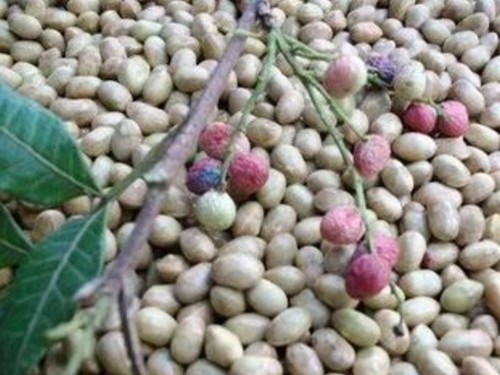
For propagation by seed, the seed maturity period of Fragrant Wood is very close to the seed dispersal period. Once mature, the seeds fall off at the slightest wind or rain, making them hard to collect, or they are eaten by birds and animals. When the seeds begin to show signs of maturity, collect them from the tree in time. Fragrant Wood seeds are wrapped in juicy flesh and are prone to contamination and mold. The collected seeds must be processed immediately:
Pile the fruits to ferment, crush the fruit skin, rinse in water, remove the seeds and discard debris, then dry them in the shade and store them in a ventilated, dry place. Sowing can be done in both spring and autumn; generally, the germination rate of autumn sowing is higher than that of spring sowing. You only need to ensure that the soil for Fragrant Wood is dry rather than overly wet.
Before sowing, soak the carefully selected seeds in warm water at an initial temperature of about 20°C for 24 hours. Once the seeds absorb water and swell, remove them and place them under warm, moist conditions to promote germination. Generally, the seeding rate is 6 kg per mu.
Precautions for seedling management: Fragrant Wood seedlings have three fears:
First, they fear waterlogging. The soil should be kept as dry and loose as possible, and generally not watered or watered as little as possible. Second, they fear shade. During the seedling stage, thin the seedlings in time to increase light penetration and ventilation. Third, they fear fertilizer damage.
The seedlings are not very cold-resistant. In North China they need protection. The plant can tolerate a low temperature of -10°C, so as long as it is kept indoors, winter is not a problem.