How to water azalea bonsai? Master these watering techniques
Generally speaking, it should be managed flexibly according to the season, weather conditions, plant size, dryness or moisture of the potting soil, and growth and development needs. In winter, when temperatures drop, azaleas grow slowly and need less water, so the amount of watering should be appropriately reduced; in spring, when temperatures rise, azaleas bloom and send out new shoots, so water demand increases; in the high-temperature summer season, water whenever the soil dries, and spray water on the ground and leaves at midday and in the evening to lower the temperature and increase humidity; in autumn, when the weather turns cool, watering should be reduced to prevent a second growth flush and help the plant overwinter.
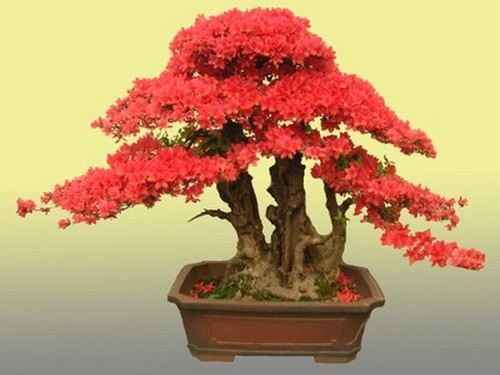
After the azalea bonsai has been potted and carefully tended for a year, its preliminary shape has appeared, but the branches and leaves are not yet full, so further care is needed. Therefore, watering is the key that determines whether the bonsai thrives or declines, especially on sunny days under the scorching sun, when more attention should be paid to water use in the potting soil and spraying water on the leaves, and watering should also be adjusted according to climate changes.
When watering, pay attention to the size of the pot and the number of branches and leaves on the tree stump to determine water use. In the hot summer season, water and spray more to lower the temperature and increase the moisture in the pot, but when the high-temperature season reaches above 35 degrees, do not spray water on the leaves during the day, otherwise it will cause water to accumulate on the leaves under the scorching sun and quickly heat up and burn the leaves.
Only at dusk when the sun is slanting in the west can the branches and leaves be finely sprayed, so that they can quickly recover their vitality. If watering is excessive, it will also cause the leaves to turn yellow. In short, watering is crucial, and this can only be learned through long-term practice.
Water: azalea roots are shallow and well developed, with root hairs as fine as hair, and are very sensitive to water, fearing both drought and waterlogging. Generally, the soil water-holding capacity should not be lower than 18%, but if water accumulates in the pot, it will also cause root rot and death. Therefore, the amount of watering is the key to growing azaleas well.
From the perspective of growth and development, the vegetative growth stage requires more water, while watering should be reduced during the flower bud formation stage; too much watering will cause excessive growth of branches and leaves and reduce flower buds. After flower buds form, do not water too much, to prevent the tips of the flower buds from opening and failing to bloom the following year. For watering, neutral or slightly acidic rainwater, river water, or pond water is best. If tap water is used, it is best to store it in a vat for 1 to 2 days and use it after the chlorine has evaporated.
Temporary watering will lower soil acidity, so 0.2% ferrous sulfate can be added when watering, once every 5 days. Or add a little edible vinegar and water once every half month to ensure the soil is slightly acidic.