Sunflower Sowing Time and Method Explained in Detail
Sunflowers have a short growth cycle, love strong light, and are very drought-tolerant. They do not need meticulous care during growth, making them an excellent choice for flower enthusiasts to try growing in pots!
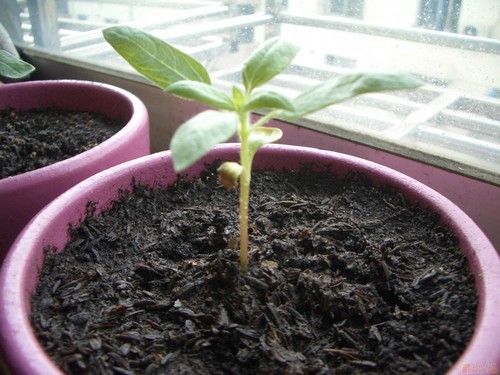
Because sunflowers have a short growing period and do not fear high temperatures, their sowing time is generally in March to April, and they can be sown in three seasons except winter. The specific suitable growing temperature needs to be above 15 degrees at night and preferably above 20 degrees during the day. Therefore, in the Yangtze River Delta region, they can be sown from April to September and bloom in the same year.
Sunflower seeds are the common sunflower seeds, sunflower kernels, and look the same as roasted snack sunflower seeds. However, the seeds of horticultural dwarf sunflower varieties are smaller. Common varieties include: Smile (Big Smile), Folk Song, (Toy) Little Bear, Miss Sunshine, and others, with plant heights ranging from 15CM to 30CM, suitable for pots.
Sunflower seeds are large achenes and plump. The seeds have strong viability and strong stress resistance. For sowing, you can use seedling blocks, ordinary peat, or even ordinary garden soil, with no special seedling treatment needed. When sowing, insert the sunflower seed vertically into the sowing medium with the pointed end facing down, and cover with about 1 to 2CM of soil. Keep the medium moist before emergence. They generally emerge in 3 to 7 days. Seed germination requires shading, and appropriate soil covering helps them shed their seed coats on their own during germination.
After the seeds germinate and emerge, keep the medium moist and place them in a bright, sunny spot for care. Keep the environment and medium moist. They can accept relatively strong sunlight; insufficient light will cause leggy growth.
If the seedlings are sown too densely, they can be thinned. Use a toothpick, tweezers, or another fine object to carefully loosen the medium, take out the seedlings that need to be removed, and transplant them into small pots. If the roots are damaged during this period, it will not affect the later growth of the plants.
Sowing depth needs to follow certain principles: the seeds must be able to absorb sufficient moisture before emergence, so they can break through the shell, sprout, and finally push out of the soil. Therefore, the sowing depth must be appropriate, neither too shallow nor too deep. If too shallow, the seeds are easily dried out by the wind and cannot absorb water, so they naturally will not swell and germinate; if too deep, even if they sprout, the tender little cotyledons cannot push through the soil layer, and seed germination needs water and oxygen. If planted too deep, the seeds cannot breathe, which hinders germination.
The seeds of ornamental sunflowers are somewhat smaller than those of edible sunflowers, and larger than other grass seeds and flower seeds. Therefore, the sowing depth we choose is generally 1-2cm.