How to sow rose seeds? Learn the correct sowing method
Growing roses from seed can be challenging, because most of the seeds you collect often will not germinate no matter how hard you try. Fortunately, most rose plants produce a large number of seeds, so it is usually not necessary to achieve a very high success rate.
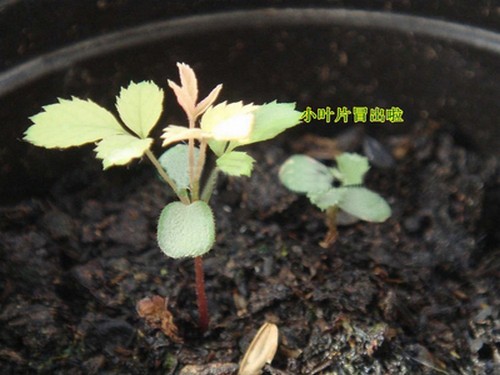
Sowing preparation:
Dilute gibberellin with warm water at about 40 degrees (dilute one packet of gibberellin in 8 minutes' worth of water in a disposable cup), and soak the seeds for about 6 hours; prepare the sowing soil in advance, the soil quality must be good, evenly water the prepared soil until it is thoroughly soaked, evenly sprinkle the soaked seeds on the watered soil surface, and after the seeds are scattered, cover them with soil, to about three times the diameter of the seeds; the seeds must not be exposed to direct sunlight before they sprout.
Stratification to promote germination:
Stratification to promote germination is generally better done in winter, because this treatment requires a low-temperature environment below 5°C. First soak the rose seeds in clean water for 48 hours, then mix them thoroughly with moist sand; the moisture of the sand should be such that it forms a ball when squeezed in the hand and falls apart when the hand is opened; the ratio of seeds to sand is 1:3, and finally stratify them to promote germination for 30-50 days in an environment below 5°C. If the natural temperature conditions cannot meet the requirements, you can put the mixed seeds and sand in a container and place it in the refrigerator for the stratification to promote germination.
Sowing method:
Step 1: First put the rose seeds in warm water at about 40 degrees to soak; after the water cools, continue soaking for 4-6 hours, then take the seeds out; soaked seeds germinate more easily.
Step 2: Put the seeds into the soil (note: the soil needs to be loose, breathable and good at holding water); generally you can sow 5-8 seeds per container. After germination, keep one stronger seedling depending on how the young seedlings are growing; after germination, thin the seedlings, keeping 1-3 young seedlings as appropriate. After sowing, cover the container with plastic wrap (a plastic bag film also works), and prick a few small holes in the plastic wrap for ventilation. Put the container in the sunlight and keep the temperature at about 20 degrees. Most seeds can germinate after one week. After germination, wait until the seedlings are strong and then transplant them into the ground; put the seeds about 4-5cm deep in the soil, then water. Before they sprout, water once a week. After germination, it depends on whether the soil is dry or wet. Water about once every two days if the sunlight is not very strong.
After the sprouts grow, two hours of sunlight a day is enough; they must not get more sun than that.
Post-sowing management:
After sowing, just keep the soil moist; do not water frequently, and even more importantly do not let the soil become waterlogged; there is also no need to apply fertilizer during the seed germination process. Seedlings generally begin to emerge in 15 days.
If after carrying out the above steps they still cannot germinate, then it is very likely a problem with the quality of the seeds themselves.
The germination rate of rose seeds is rather low, so the soil generally used for sowing needs to be loose, breathable and good at holding water. The soil generally used is a mix of vermiculite, peat, sphagnum moss, perlite, osmund fiber, etc.; if conditions allow, you can also mix it yourself; if conditions do not allow, ordinary slightly acidic soil will also do, but the soil must contain no foreign objects (such as: stones, broken bricks, glass, etc.).