Detailed Guide to Seed Propagation of Lobelia (Trailing Lobelia)
Lobelia is used to treat venomous snake bites; carbuncles, swellings and boils; tonsillitis; eczema; athlete's foot; traumatic injuries; damp-heat jaundice; appendicitis; enteritis; nephritis; cirrhotic ascites and various cancers. Its distinctive blue-flowered varieties are an important type of spring bedding flower. When in bloom, the whole plant takes on a swollen rounded shape, with the plant almost completely covered by flowers, making it suitable for flower beds, potted plants, hanging baskets and garden landscaping, and it is widely loved by households in Europe and America.
[Medium]
The sowing medium is the key to successful seedling raising. To ensure a higher emergence rate, be sure to choose a loose, breathable, well water-retaining peat soil or grass peat soil with a pH of 6.5, low nutrient content and moderate particle size for raising seedlings. The mixing ratio of the seedling soil is: 5 parts leaf mold, 3 parts garden soil, 2 parts river sand, or add gravel and perlite to maintain looseness and breathability. When collecting field soil, note that the substrate salt level must not be too high; check for residues of herbicides or other pesticides, as residual formaldehyde from pesticides will affect emergence. When mixing the seedling soil, appropriately blend in carbofuran insecticide or diqingling fungicide according to the amount used, to prevent soil-borne diseases or insect pests during the seedling stage.
[Temperature]
There is no strict seasonal restriction on the sowing period; it is usually determined by the desired flowering period. Seedlings can be raised in a greenhouse or in the open field, but special attention must be paid to the stability of the air temperature or soil temperature. Generally, the optimum temperature for lobelia seed germination is between 20-25°C, and the soil temperature should be kept between 20-35°C, which is especially favorable for emergence. After sowing, the temperature required for germination should be fully ensured. While paying attention to the need for a certain optimum temperature for germination, also note the effect of the day-night temperature difference on seed germination; generally a temperature difference of 6-8°C is more suitable. If the soil temperature is too low, an electric heating bed should be laid down to improve it.
[Humidity]
The optimum moisture for lobelia seed germination is 95%, so before sowing, the medium should first be given sufficient and appropriate water. Not only must the medium be ensured to have enough water, but the continuous supply of moisture in the medium must also be maintained. Once the seeds absorb water, they must not be allowed to lose it again, otherwise the germination rate will be affected. On the other hand, maintaining air humidity is equally important. Generally, when the medium humidity is continuously kept at 30-50% and the air humidity is continuously kept at 80-90%, the germination rate can reach over 80%.
[Sowing Method]
Because lobelia seeds are small, about 35,000 seeds per gram, and also have the characteristic of being light-loving, they should not be covered with soil when sown as far as possible; simply broadcast the seeds on the surface of the seedbed. Therefore, before sowing, the seedbed must be carefully prepared; under normal circumstances, no fertilizer is applied in the seedbed. First water the seedbed thoroughly, and the next day, when cracks are seen in the seedbed, fill the cracks with fine soil and water the seedbed thoroughly again. After the water has seeped through, evenly mix the seeds with a certain amount of fine sand and broadcast them on the seedbed. When broadcasting, be meticulous and sow evenly by repeating several times. After sowing, do not cover with soil and immediately cover with a small arch shelter to help retain moisture and keep the seedbed moist. Emergence occurs in about 7-13 days.
If the sowing quantity is relatively small, please make a small flat-bottomed earthen pool in the greenhouse, lay a piece of plastic film on the bottom of the pool, use a seedling tray or a large plastic basin, poke a few small holes in the bottom of the basin, and fill the basin with the prepared seedling soil. When filling the soil, only fill it to 8-10 cm from the rim of the basin. After leveling it off, place the basin into the prepared pool and add water to the pool. After two days, when the soil in the basin has been fully penetrated, evenly mix the seeds with a certain amount of fine sand and broadcast them. After sowing, do not cover with soil and immediately cover with a small arch shelter. From then on, keep water in the pool frequently until emergence, after which appropriate water replenishment according to the situation is sufficient.
After sowing is completed, place rat bait around the seedbed to prevent some seeds from being eaten by rats and causing uneven emergence.
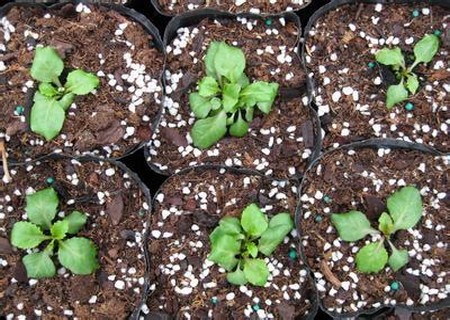
Lobelia seeds are tiny. When sowing, they can be mixed with some fine sand before sowing, or first raised as seedlings and then transplanted into pots or flower beds for cultivation when they have 6-8 true leaves, and watered with a watering can. The force must never be too strong, to prevent the seeds from being washed away.
Sow from January to March, and they bloom after July; sow from August to October, and they bloom the following year. Lobelia seeds can germinate 20 days after sowing at 22°C, and can bloom 65 days after sowing. Generally, sow 8-12 seeds per cell.
During the seedling stage, pay attention to loosening the soil and weeding. After planting, apply 1 application of dilute human manure and urine; after summer harvest, apply 1 topdressing of livestock manure or ammonium sulfate, urea, etc.; in winter, apply decomposed fertilizer or compost. In dry seasons, irrigate and keep the soil moist regularly to promote growth. When planting, add a long-acting fertilizer, and then topdress again about every three weeks thereafter. Especially before the flowering period, supplement a relatively large amount of phosphorus fertilizer to promote flowering.
[Seedling Stage Management]
After emergence, both air humidity and medium humidity should be appropriately reduced. Lower air humidity can reduce the occurrence of pests and diseases; when air humidity is high, the problem of medium salinization can be avoided. Especially for some media with high nutrient content, more attention should be paid to air humidity, otherwise salinization is likely to form on the medium surface. Lower medium humidity can not only reduce the occurrence of pests and diseases, but also help root extension. When controlling water, it should be determined according to the growth characteristics of the seedlings. Too dry will inhibit seedling growth, and too wet can easily cause damping-off. The medium humidity should be gradually reduced while maintaining air humidity, and after 3-5 days of water control, immediately replenish water once, then continue water control.