A Detailed Guide to Propagating Coreopsis from Seed
Coreopsis (Coreopsis spp.) has large, brightly coloured flowers and dense foliage; it is an excellent plant for both flowers and foliage, and it can also self-propagate. So when should coreopsis seeds be sown? Below, the editor introduces the seed propagation method for coreopsis.
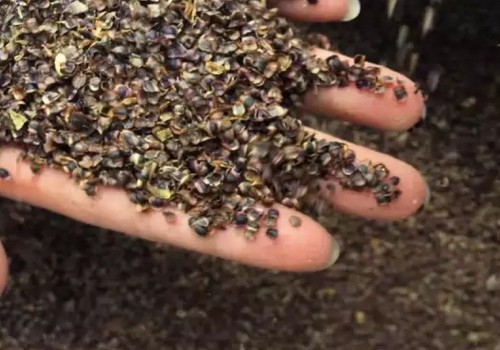
Coreopsis is mainly propagated from seed between March and April each year. In early spring, sow in pots indoors. Usually choose a sowing pot or wooden box 30cm in diameter and 5cm deep, cover the drainage holes with broken tile pieces, then add coarse gravel 1/3, coarse culture soil 1/3, and sowing soil 1/3 in turn. Then, use a wooden strip to press and level the soil surface, and make the soil 1cm below the pot rim. Use the “pot soaking method” to soak the pot soil thoroughly, then lift the pot out, and wait until the water has fully seeped in before sowing.
When sowing, open the seed packet and scatter the seeds evenly into the pot directly; or mix the seeds with fine sand and then scatter them evenly into the pot. After sowing, cover with a thin layer of fine soil, then cover the surface with glass, and then cover the glass with newspaper to reduce water evaporation. Before the seeds sprout, keep the soil moist; do not let the seedbed alternate between dry and wet, or become too dry or too wet. In the morning and evening, lift the glass for a few minutes to ventilate, and keep it covered during the day. After the seeds germinate and emerge, remove the covering promptly and gradually expose them to light; when 1~2 true leaves have grown, transplant them.
The management of coreopsis is relatively simple. When the seedlings grow true leaves, apply 1 application of nitrogen fertiliser; when they reach 2~3 true leaves, they can be transplanted. After one transplant, they can be planted into flower beds. After planting, water thoroughly promptly so the roots make close contact with the soil. During the growing period, apply 2~3 applications of liquid fertiliser, and use phosphorus and potassium fertiliser together with the nitrogen fertiliser.
Normally, keep the soil alternating between dry and wet; waterlogging must not occur. After rain, drain promptly to prevent waterlogging. Under high temperature, high humidity, and poor ventilation, pests and diseases such as aphids are prone to occur, so spray pesticides promptly for control. To make coreopsis bloom more, remove spent flowers after blooming, apply one fertiliser application in July-August, and by National Day it can have abundant flowers and lush foliage.
[Seed harvesting] The harvested part is the capitulum (flower head) of coreopsis. Usually between August and October each year, select capitula in which most of the achenes have matured and cut them off; after drying them in the sun, place them in a dry, cool place, remove impurities centrally, and sort out the seeds.
[Grading] The harvested seeds should be graded on the premise of ensuring the purity of this species, normal moisture content, and no contamination by foreign matter; the germination rate of grade 1 seeds is ≥98%; the germination rate of grade 2 seeds is ≥95%; the germination rate of grade 3 seeds is ≥92%. When seeds of each grade are used, their germination rate is allowed to be 5% lower than the corresponding standard; as storage time lengthens, the germination rate standard should also be lowered accordingly.