Detailed Explanation of Key Techniques for Camellia Cuttage Propagation
Cuttage is a method of flower propagation, and also the simplest way for gardening enthusiasts to propagate plants at home. Today we introduce plants that can survive from just one branch - the “branch cutting method” will turn you into a plant expert!
As long as the temperature is suitable, camellias are very easy to manage, and their characteristic of not liking fertilizer makes daily care even simpler. They prefer warm, humid environments. The flowering period is relatively long, with blooms from October to May of the following year, and the peak blooming period is usually from January to March. Below we introduce the soil culture cuttage technique for camellias:
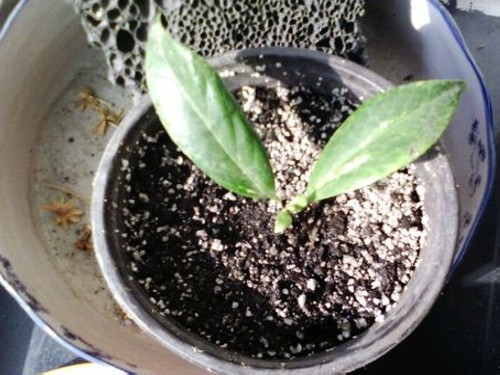
1. Select branches that grew vigorously in the current year, preferably those that sprouted after the spring flowering period and matured in autumn.
2. Take branches with terminal buds, at least 3-5 nodes, and a length of 15-20 cm. If the branch has swollen flower buds, they should be removed.
3. Insert the branch into a well-drained moist medium, keep it moderately moist, and place it in semi-shade, waiting for root regeneration.
Camellia cuttage propagation has a high survival rate. For propagation and transplanting, the following key technical points should be grasped:
Cuttage timing: Taking the Fujian region as an example, most are inserted into seedbeds in the nursery from June 10 to 30, and clay pots or wooden boxes can also be used as containers for cuttage.
Cutting selection: Choose current-year young branches, preferably semi-mature current-year branches from the outer canopy with firm tissue, intact leaves, and plump leaf buds. They should be 8-10 cm long, with 2 leaves kept at the tip.
Cutting preparation: When cutting, keep a little old branch at the base if possible, as this makes it easy to form callus tissue after insertion and roots develop quickly. Cuttings should be taken in the early morning and inserted immediately after cutting.
Cuttage method: Insert about 3 cm into the seedbed medium. During insertion, the leaves should overlap each other. After insertion, press firmly with fingers. When inserting, dip the base of the cutting in 0.4%-0.5% indolebutyric acid solution for 2-5 seconds, which has a clear effect of promoting rooting. Shallow insertion is better, as this allows air circulation and speeds up healing and rooting.
Post-cuttage management: The cuttage seedbed needs shading. Spray water on the leaf surface every day to keep it moist, and maintain the temperature at 20-25°C. About three weeks after insertion, healing begins, and roots form after six weeks. When the roots reach 3-4 cm long, they can be transplanted into pots. When new roots grow from the base and new shoots and new leaves grow from the top of the branch, transplanting can be carried out.
Survival and transplanting: Cuttings that survive can generally be transplanted from mid-September to early October of the same year. If not transplanted at this time, waiting until March of the following year for transplanting is even better, as more fibrous roots can grow in the original place, and the survival rate after transplanting will be higher. At this time, it also coincides with another growth period of camellias, which has many benefits for growth and development. One thing to note: if the cuttage medium is river sand or rice chaff ash, after rooting and leaf growth, transplanting and separate planting should be done as early as possible, because these media lack nutrients and over time will affect the growth of surviving seedlings in the nursery.