How to sow Dianthus chinensis (rainbow pink)? Detailed guide to the correct sowing method
Dianthus chinensis can be used in flower beds, flower borders, flower platforms or as potted plants, and can also be used to accent rock gardens and lawn edges. When planted in large patches, it can serve as a landscape groundcover material. In addition, dianthus has the ability to absorb sulfur dioxide and chlorine gas, so it can be planted in abundance wherever there are toxic gases. It is also excellent for cut flowers.
Dianthus chinensis is cold-hardy but not tolerant of severe summer heat. It likes sunny, high, dry, well-ventilated spots and fertile loam with good drainage. It is propagated by sowing and cuttings. The optimum temperature for seed germination is 15 to 20°C. For indoor sowing at home, spring and autumn are suitable, and growers in northern China with indoor heating can also sow in winter.
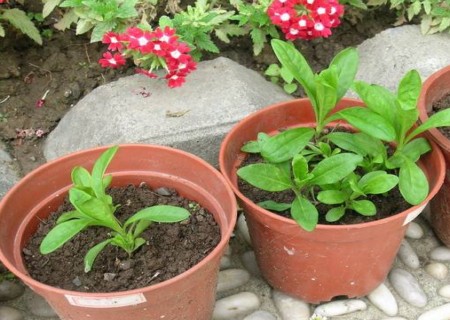
Some growers want to grow Dianthus chinensis themselves but do not know when to sow it. In fact, the sowing time for Dianthus chinensis varies from place to place. Growers need to know that the optimum temperature for Dianthus chinensis seed germination is 21°C-22°C, but this temperature is not an absolute value.
When to sow Dianthus chinensis?
Dianthus chinensis seeds are generally sown in September. Sow in an open-ground seedbed, keep the potting soil moist after sowing, and when the seedlings grow 4-5 leaves they can be transplanted and will bloom the following spring. They can also be direct-sown in the open ground in September or sown in pots in a cold room in November-December, then planted out in the open ground in April of the following year.
Sowing method for Dianthus chinensis:
After turning and leveling the soil, cover the seeds with soil no more than 0.5cm thick after sowing, and the thickness must not exceed 2 times the diameter of the seeds. Keep the soil moist until germination; they can generally germinate in about 1 week. When the seedlings grow 4-5 leaves they can be transplanted and will bloom the following spring. They can also be direct-sown in the open ground in September or sown in pots in a cold room in November-December, then planted out in the open ground in April of the following year.
Sowing is not just about watching them germinate; the subsequent care matters too. Dianthus chinensis is cold-hardy but not tolerant of severe summer heat. If sown in spring or summer, it may be very difficult to get through the summer, because many places are very hot and stuffy in summer. So the relatively ideal sowing months are September-December, because many growers now sow on balconies and have seedling trays, so the temperature can be created artificially, and after germination there is no need to worry about Dianthus chinensis getting through the summer.
Although sowing in winter can create the temperature needed for germination, many growers do not have abundant light at home, which may very likely cause the seedlings to grow leggy. So when sowing Dianthus chinensis, growers can consider three aspects comprehensively: temperature, light, and later care.