How to sow mint seeds? Detailed guide to mint sowing methods
Mint is a perennial herbaceous plant with a height of 20-40 cm. Its stems and leaves have a minty aroma and are mostly used as a flavoring and beverage additive. Fresh mint leaves can be eaten as a vegetable and can also remove fishy and gamy odors; they are an essential seasoning for eating beef. It has few pests and diseases, the leaves can repel mosquitoes and flies, and it is relatively tolerant of high temperatures as well as low temperatures. It requires a sunny, well-ventilated environment and fertile, well-drained growing medium.
For summer breeding of mint, choose varieties with vigorous growth, strong disease resistance, high menthol content, and pure aroma. For seed sowing, spring from March to April and autumn from September to October are suitable periods. Before sowing, mix the seeds with New High-Lipid Film, which can repel underground pests and diseases, isolate viral infection, does not affect the imbibition function for germination, strengthens respiration intensity, and increases the seed germination rate.
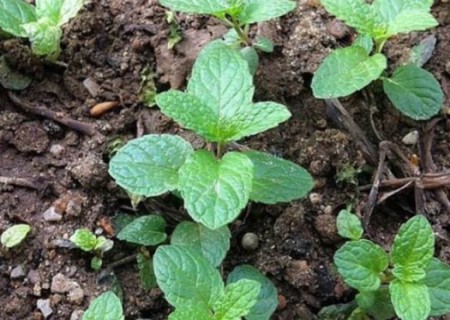
In the north, only by taking effective cultivation protection measures in winter is it possible to meet the requirements for harvesting in winter. Mint tends to degenerate easily, so work on retaining seed and selecting seed should be done well. The commonly used methods are the following two:
1. Plot selection for seed retention: For mint plots with only a small amount of mixed or degenerated plants, in late April when the seedlings are 15 cm tall, or in late August when the second-cut mint is 15 cm tall, combine with weeding and remove wild species or other mixed species twice by pulling them out with roots. At the same time, remove inferior and diseased seedlings, and it can then serve as a seed-retention field.
2. Replanting for seed retention: In late April, select robust and non-degenerated mint plants from the main mint field and transplant them into the seed-retention field at a spacing of 15 cm × 20 cm. Strengthen management, cultivate until early winter, then dig them up, and 70%-80% white new rhizomes can be obtained, which can be used for seed.
[About mint seeds]
Germination temperature: 20-25°C
Germination days: 10-15 days
Suitable growth temperature: 18-35°C
Light: partial shade, full sun
From sowing to flowering: about 70 days
Color: purple
Plant height: 20-30 cm
Friends who like to open a “small vegetable garden” on their own balcony might as well plant a small patch of mint. It not only has a fresh and fragrant taste, but also has considerable nutritional value. Next, let me introduce how to grow mint on a balcony.
[Sowing methods]
Use loose, well-drained, fertile soil. Before planting, water thoroughly, and when scattering seeds on the soil layer, pay attention to spreading them evenly. Because mint seeds are very small, there is no need to cover them with soil. Maintain suitable soil moisture, and use a small spray bottle to mist the seeds to keep them moist.
Sow in an environment of about 20°C, and be careful not to exceed 25°C. If the temperature is lower than 20°C, plastic wrap can be used as a cover to raise the temperature and maintain humidity. During high temperatures in summer, place the seeds in a shaded area to cool them down, because excessively high temperatures can easily cause the seeds to lack water. Before they have rooted, they can only rely on artificial watering to ensure normal development.
If plastic wrap has been used as a cover, then after the seeds sprout, it must be removed in time, and the seeds should be moved to a place where they can receive appropriate light.
Planting out should be carried out after the seeds have grown 5-6 leaves. Generally, one young seedling should be planted per hole. First straighten the seedling, arrange the root system, then fill in soil and firm it, and water thoroughly once. After the seedlings have grown for a period of time, apply an appropriate amount of liquid fertilizer.
[Cultivation management]
1. Choose loose, fertile, well-drained sandy soil.
2. Moisture should be continuously adjusted during the plant's growth process. The early and middle growth stages require more water; the flowering stage requires less water.
3. Mint needs sufficient light. If light is insufficient, the plant tends to grow leggy.
4. For fertilization, ternary or multi-element compound fertilizers can be used. In particular, applying potassium fertilizer can effectively improve the problem of thin and weak plants.