How to Propagate the Cast Iron Plant? A Detailed Guide to Propagation Methods
The cast iron plant (Aspidistra elatior) is usually propagated by division. It is best to use sandy loam rich in humus. It likes moist soil. During the vigorous growth stage, apply a dilute liquid fertilizer once a week. It grows well in a bright spot without direct sunlight. It likes warmth and is intolerant of severe cold. The ambient temperature should be kept between 15 and 25°C. Note that during the growing season it needs to be watered thoroughly, but the soil should not become waterlogged.
Division propagation of the cast iron plant can be carried out in spring when the temperature rises and before the new buds sprout, in combination with repotting. Cut the underground rhizomes together with the leaves into several clumps, with each clump having 3 to 5 leaves, then plant them separately in pots and keep them in a semi-shaded environment.
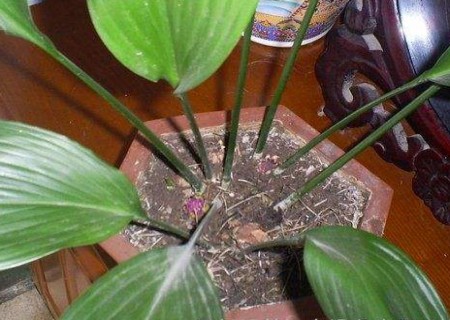
The following are the specific propagation points:
1. The cast iron plant is mainly propagated by division. It can be divided in spring when the temperature rises and before the new buds sprout, in combination with repotting.
2. Take the mother plant out of the pot, separate the tangled root system as much as possible, and cut it apart into two or more plants with a sharp knife. Each divided plant must have a considerable amount of roots, and its leaves should be properly pruned so that each clump has 3—5 leaves, which helps them survive.
3. Soak the divided small plants in a 1500-fold chlorothalonil solution for five minutes, then take them out and let them dry. After potting the divisions, drench the roots or water once thoroughly.
4. During the growth period, water thoroughly and frequently spray water on the leaf surface to maintain high air humidity. Apply dilute liquid fertilizer 1-2 times a month to promote the sprouting of new leaves and robust growth.
When propagating, pay attention to the choice of division time, the application of the division method, and the care after division.
1. Division time
Division propagation of the cast iron plant can be carried out in spring when the temperature rises and before the new buds sprout, in combination with repotting. It is generally done in early spring (February, March) after the soil thaws.
2. Division method
Take the mother plant out of the pot, shake off the excess potting soil, separate the tangled root system as much as possible, and cut it apart into two or more plants with a sharp knife. Each divided plant must have a considerable amount of roots, and its leaves should be properly pruned so that each clump has 3—5 leaves, which helps them survive.
3. Potting and disinfection
Soak the divided small plants in a 1500-fold chlorothalonil solution for five minutes, then take them out and let them dry before potting. You can also drench the roots with chlorothalonil immediately after potting.
4. Care after division
After potting the divisions, drench the roots or water once thoroughly. Because its root system is greatly damaged and its water absorption capacity is very weak, it takes about 3 to 4 weeks to recover and sprout new roots. Therefore, within 3 to 4 weeks after division, watering should be controlled to avoid root rot. However, the transpiration of its leaves is not affected. To maintain the water balance of the leaves, spray the leaf surface 1 to 3 times a day (spray more when the temperature is high, and spray less or not at all when the temperature is low). Do not apply fertilizer during this period either. After division, also beware of overly strong sunlight; it is best to keep it in a shade shed.
5. Potting or transplanting
First put a 2 to 3 cm thick layer of coarse substrate at the bottom of the pot as a drainage layer, then place the plant in. The substrate for potting can be one of the following: peat : perlite : ceramsite = 2:2:1; peat : vermiculite = 1:1; or peat : cinder : ceramsite = 2:2:1; sawdust : vermiculite : medium-coarse river sand = 2:2:1; garden soil : cinder = 3:1; or garden soil : medium-coarse river sand : sawdust (mushroom residue) = 4:1:2; or paddy soil, pond mud, leaf mold, etc.
After potting, water once thoroughly and keep it in a shaded environment for care.