How to propagate rosemary from cuttings? With a illustrated guide to cutting techniques
Rosemary flowers were originally white. On the way as the Virgin Mary fled to Egypt with the infant Jesus, the Virgin hung her mantle on a rosemary tree, and from then on the rosemary flowers turned blue. On the way as Jesus fled from Judea to Egypt, he hung his washed clothes to dry on rosemary, and because of this rosemary was credited with many medicinal powers.
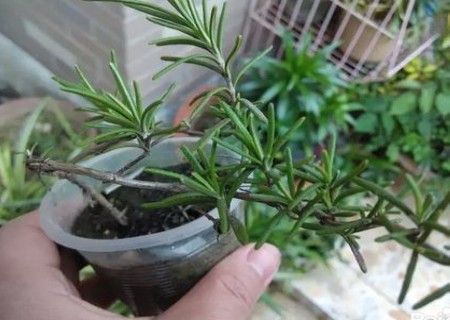
Religious legends deepened the sacred power of rosemary. In Europe, rosemary was widely planted around churches, and worshippers regarded it as a sacred offering, so rosemary is also called the “Rose of the Virgin Mary.” Keeping a pot of rosemary as a bonsai in the office, study or bedroom is truly a healthy, eco-friendly and beautiful pleasure! So how do you propagate rosemary from cuttings? Below is an illustrated guide to rosemary cutting techniques.
1. First, find a relatively large rosemary plant. By large, it does not actually need to be especially tall; one that has been grown for about two or three years with good growth can serve as the mother plant. You can look around at relatives' and friends' homes, or ask flower-loving friends in the same city to borrow a few.
2. In spring or autumn (because these are the two periods when rosemary grows most vigorously), when the temperature is also good, take relatively vigorous branches from the mother rosemary plant. Choose fewer of those branches that are too old and seriously woody. Break them off.
3. Prepare disposable cups. Actually, small flower pots, small boxes and other small containers can all be used; the editor just thinks disposable cups are easier to find. Then fill the cup with soil; this soil is about half garden soil and half sand, mixed however you like.
4. Remove the lowest leaves from the branches you picked, then insert them into the cup. A depth of about one centimeter is enough. About three branches per cup is about right, so as not to waste space, and at least one branch should survive.
5. Then place the cup with the rosemary cuttings in a place with less sunlight, and next is simply waiting slowly. Of course, when you see the cup is dry, water it. The editor leaves them on an open balcony, where sometimes they get some rainwater. After a while, if you see roots beginning to grow in the soil at the bottom of the cup, that proves the cuttings have rooted successfully! Isn't it especially easy?
Rosemary is a valuable natural aromatic plant. During the growing season it gives off a fresh fragrance and has the effect of refreshing the mind and lifting the spirits. Its stems, leaves and flowers have a pleasant scent. The aromatic oil extracted from the flowers and tender branches can be used to blend raw materials for cosmetics such as air fresheners, perfumes and soaps. The most famous toner is made with rosemary, and it can also be used in beverages, skincare oils, hair growth agents and laundry paste.