Detailed Explanation of Iris Seed Propagation Methods and Steps
Iris is a very ordinary flower, yet it is the national flower of France, and in some places it is also used to make perfume. This flower resembles a butterfly gently perched in a flower pot, so some people also call it the blue butterfly. Iris has thick, sturdy roots, broad leaves, and extremely strong vitality, so many gardening enthusiasts like to grow this flower as a home potted plant.
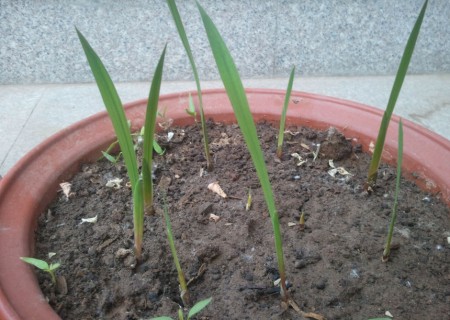
So, how do you sow iris seeds? Because iris seed propagation is relatively difficult, and it takes 2-3 years to grow into a seedling, this process is comparatively very time-consuming, so for home potted plants this method is generally not recommended, otherwise gardening enthusiasts might wait until all the other flowers have faded and still not see the iris grow to maturity. Even so, the editor will still share the iris sowing method based on personal planting experience.
1. Choose a Variety
Although most iris varieties have a certain degree of cold tolerance, considering the climate and environmental conditions of the planting region, we need to choose a variety more suitable for the local growing environment for sowing.
2. Prepare a Flower Pot
First prepare a suitable flower pot. A shallow pot used for bonsai is recommended, with a height of about 10 cm being best.
3. Sowing Process
Fill the pot with sand to seven or eight tenths full, then evenly scatter the seeds on the soil surface, with a seed spacing of about 1-2 cm. Then cover with a layer of soil about 0.5 cm thick.
4. Soaking the Pot for Watering
After sowing is complete, we can use the soaking method to replenish water. Slowly lower the flower pot into water; the water must not overflow the pot rim, but it needs to be level with the height of the sand inside the pot. Water will slowly enter the soil through the drainage hole at the bottom of the pot. After the sand inside the pot is completely soaked and moist, take the flower pot out of the water, then place it in a spot with sufficient but not intense light.
5. Later-Stage Management
During the later care and management process, pay special attention to replenishing water. When the surface of the potting soil becomes dry, you can use the above-mentioned soaking method to replenish water; you can also use a narrow-spout watering can to slowly spray the soil thoroughly. Under normal circumstances, the seeds will sprout and emerge after one week.