How to propagate bamboo fern (Bambusa multiplex) from seed? Detailed method and steps
In the previous article, the editor mentioned that bamboo fern (Bambusa multiplex) can be propagated into seedlings by sowing seeds. However, the process of growing seedlings from seeds is rather tedious, and the seeds need to be pre-treated for germination in advance, and the climate and environment also need to be suitable. Only under these conditions can young plants usually be cultivated, and only then can they be planted and grown as potted plants. So, how are bamboo fern seeds sown?
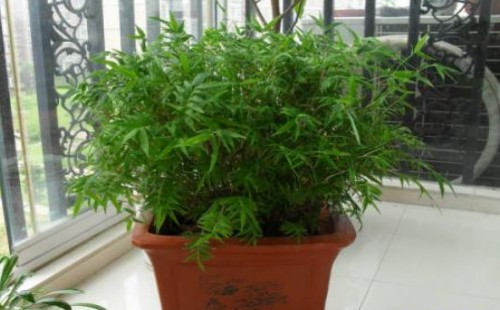
Bamboo fern (Bambusa multiplex) prefers fertile, loose sandy loam soil, and both its air permeability and drainage can usually be satisfied. So before sowing, we need to prepare the growing soil, and then adjust the acidity of the growing soil according to its preference for acidic soil, usually keeping it between 4.5-7.0, which is more suitable. Such slightly acidic soil will be more conducive to the germination of bamboo fern seeds.
Another important reason for choosing soft sandy loam soil with good permeability is that the seeds need to breathe oxygen during germination, and if the growing soil has poor permeability, it will naturally affect this normal air exchange. Moreover, when the oxygen content in the soil is too low, the seeds, unable to breathe properly, are prone to switching to another method through fermentation, thereby producing some ethanol. Over time, not only will germination fail to occur, but the seeds will instead rot and deteriorate.
At the same time, the growing soil also needs to maintain suitable moisture, which is one of the key conditions for improving seed germination. So when preparing the growing soil, we also need to consider the soil's water retention. In addition, the soil needs to have a certain level of fertility, because seed germination and even the growth of seedlings require nutrients. Before using this growing soil, it also needs to be sterilized and disinfected. Only by creating a good germination and growth environment for bamboo fern (Bambusa multiplex) can sowing succeed.
While preparing the growing soil for sowing, the seeds also need to be pre-treated for germination. Usually, plump seeds are soaked in warm water at about 35°C for 1-2 days to promote germination. Seeds treated this way can not only shorten the germination time, but also increase the germination rate and reduce the occurrence of seed death after sowing.
Next, make a drainage layer at the bottom of the flower pot, then cover it with a layer of growing soil, and finally gently sow the soaked, germination-promoted seeds into the growing soil. Because of the germination pre-treatment, you must not use too much force when sowing, and you must not scatter them randomly into the growing soil, otherwise it is easy to damage the seeds and cause uneven sowing, resulting in overly dense and overly sparse seedlings after germination. If you do not mind the trouble, you can use tools such as tweezers to gently place the seeds on the growing soil, taking care to keep the sprouts facing upward.
After all the seeds have been sown, we also need to cover them with a layer of growing soil. Moreover, the thickness of the covering soil should be moderate, neither too deep nor too shallow, otherwise it will be unfavorable to seed germination. Because if the covering soil is too thick, the seeds will bear too much pressure or resistance when germinating; if the covering soil is too shallow, the seeds will not be able to grip the soil when germinating, thus affecting their ability to absorb. Therefore, the thickness of the covering soil should be based on just covering the seeds.
After sowing is completed, place the flower pot in a semi-shaded position with no direct light but bright light. During this period, take care to replenish water in a timely manner to maintain the moisture of the pot soil and the air. If everything goes well, usually in about 40 days you can see bamboo fern (Bambusa multiplex) seeds growing into seedlings.