How to prune a rosewood bonsai? Detailed pruning methods and precautions
Rosewood is not only used in medicine, but can also be made into bonsai for appreciation, especially the small-leaf rosewood bonsai, which has extremely high ornamental value. Because it has a well-developed root system, tolerates barren conditions, and is not cold-tolerant, its care can usually simply follow its growth habits, so management is also relatively easy. Besides watering frequently, the main task is to do a good job of pruning at the right time, and this alone is often enough to maintain a good ornamental plant shape. So, how should a rosewood bonsai be pruned?
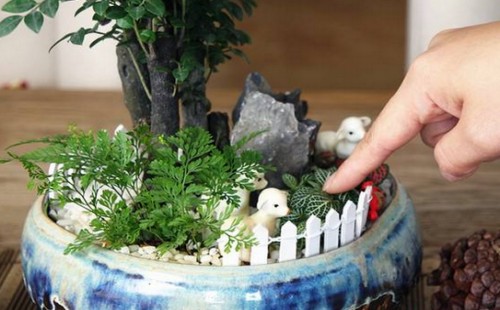
For pruning a rosewood bonsai, it is usually necessary to proceed according to its growth characteristics and the artistic shaping needs of the bonsai tree. Daily pruning is also quite different from bonsai shaping, but at the same time it must be combined with shaping. Rosewood has a relatively strong sprouting ability, so it tolerates pruning; even after trunk chopping, it can usually quickly send out tender shoots within a few days.
As long as growing conditions are met, a rosewood plant can go through a process of sprouting new shoots once in each season, so pruning is often suitable all year round. However, each pruning should be carried out only after the new shoots have become strong and mature, and pruning is most suitable in spring and autumn.
Especially for a rosewood bonsai that has been shaped, in order to keep the tree shape from changing too much and avoid affecting its ornamental value, pruning needs to be carried out as routine management work. Pruning can not only maintain the original shape of the bonsai tree, but also slightly change it, thereby making the bonsai more beautiful. However, for enthusiasts who lack imagination, creativity, and artistic aesthetic sense, operations should be done cautiously.
But generally speaking, any crossing branches, parallel branches, wheel branches, overlapping branches, old weak dead branches, and even other branches that affect the beauty of the plant shape can be cut off. Moreover, as the plant grows over a long period, some branches will also grow too densely, especially overly dense short branches, which we should also prune appropriately, mostly by thinning, as this can improve the plant's ventilation and light penetration, which is also very beneficial for maintaining good growth.
After leaf drop in winter, we also need to prune in time, especially at the seedling stage, where pruning is even more necessary to shape the main trunk of the bonsai. When the main trunk grows to a certain height and meets our shaping needs, it is often necessary to top it in time, which can cultivate more side branches while also making the crown more round and full.