Care Methods and Precautions After Bougainvillea Sprouts
Bougainvillea is generally propagated from young plants by means of cuttings, and the survival rate is very high. As long as the care conditions are suitable, it can be ensured to maintain vigorous growth. However, after sprouting, bougainvillea is still very tender, and its vitality is relatively fragile, especially its young shoots. Therefore, the care and management work during the seedling stage is very critical. So, how do you care for bougainvillea after it sprouts?
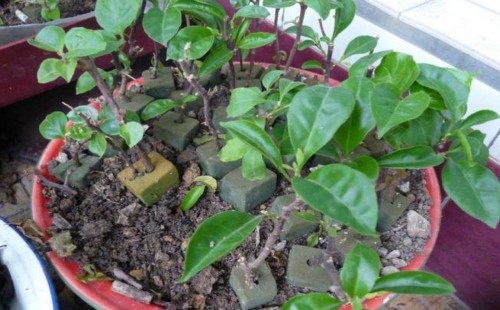
After bougainvillea sprouts, in order to ensure it can maintain normal growth, we must be attentive when it comes to care and management. Generally, attention is paid to the management of light, water and fertilizer. As long as the light, water and fertilizer conditions are all met and are relatively suitable, the cuttings can grow well. Today, the editor will share with you the care and management work after bougainvillea sprouts, hoping it will be helpful to everyone.
I. Increase Light
After bougainvillea seedlings sprout, we need to gradually provide them with light. But many gardening friends carry out bougainvillea cuttings in spring, while in some regions cuttings are done in May to June of spring and summer. Especially in southern regions, the temperature often gradually rises during this period, and the intensity of sunlight also gradually increases.
And if the light duration is too long and the light is too strong, the tender bougainvillea seedlings will find it hard to endure, often wilting due to excessive water loss, thereby affecting their normal growth. But after all, seedlings need to receive light to promote photosynthesis and accelerate growth. Therefore, providing light is also a gradual process, and while providing light, the duration and intensity of sunlight must also be well controlled to avoid sunburning the seedlings.
II. Scientific Watering
When bougainvillea seedlings have just sprouted, although their growth rate gradually speeds up and they need more water to sustain growth, we still cannot give them heavy watering at the beginning. Because excessive watering often causes the young shoots sprouted by the seedlings to wilt, and may even cause them to die. Generally, the watering principle of “water when dry, stop when wet” is adopted. Watering must be moderate, and the frequency must also be well controlled.
And as the weather gradually becomes hotter and the temperature gradually rises, the amount of water evaporation will also increase, and the growth of the seedlings also needs to consume a certain amount of water. Therefore, water can be replenished as appropriate according to the dry and wet state of the potting soil. To judge whether the pot is short of water, we can gently tap the outer wall of the pot and judge by listening to the sound. In previous articles, the editor mentioned this many times, so it will not be repeated here.
III. Reasonable Fertilization
As bougainvillea seedlings continue to grow and send out branches and leaves, they will gradually enter the peak growth season, and not only will their water consumption increase, but their nutrient consumption will also increase. Therefore, timely and reasonable topdressing is a necessary condition for keeping the plant growing well. During this period, a thin organic liquid fertilizer can be applied once every half month, and a thin compound fertilizer can be applied once a month, mainly to promote branch and leaf growth, so that the potted plant grows more luxuriantly and the plant shape becomes fuller.
And after entering September in autumn, in addition to appropriately applying thin organic liquid fertilizer, we should also promptly supplement phosphorus and potassium fertilizer. In this way, while the seedlings grow up, they can also store sufficient nutrients to promote the formation and differentiation of flower buds and ensure smooth flowering on schedule. After all, bougainvillea needs to consume a large amount of nutrients during the flowering period. It can be seen that reasonable fertilization is not only of great significance for maintaining normal growth of the plant, but is also very critical for promoting flowering and improving flower quality.