How to Divide a Zamioculcas zamiifolia (ZZ Plant)? Detailed Guide to Division Methods and Steps
The Zamioculcas zamiifolia can not only be propagated into small potted seedlings by means of cuttings, but also by means of division to obtain small seedlings, which are then potted and transplanted separately. The Zamioculcas zamiifolia itself is a plant with tubers at its roots, and during growth it sprouts adventitious buds from below the tubers, thereby sending out shoots and growing small seedlings. Therefore, we can separate these small seedlings grown from adventitious buds at the tuber site and pot them separately, so that we can grow more potted Zamioculcas zamiifolia plants. So, how do you divide a Zamioculcas zamiifolia?
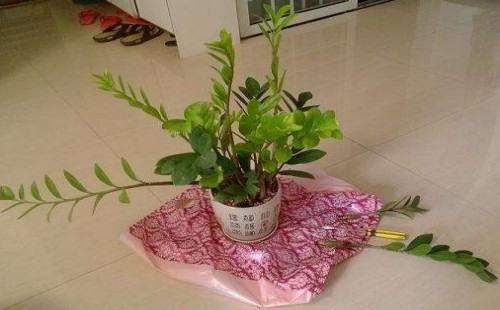
Division is a fairly common method of cultivating small potted seedlings. Many plants are suitable for division, especially plants with bulbs or tubers at their roots, which can often be propagated by division. The Zamioculcas zamiifolia is a plant with underground tubers, so it is likewise suitable to obtain small potted seedlings by means of division, thereby cultivating more potted Zamioculcas zamiifolia plants. Today, the editor will share with you the division method for Zamioculcas zamiifolia.
For dividing a Zamioculcas zamiifolia, you should choose the best timing, which requires not only that the mother potted plant is growing well, but also that there are young plants grown from adventitious buds, and that the temperature environment is also fairly suitable, so that the small seedlings obtained from division are more likely to survive after potting. It is usually suitable to carry out division in April in spring, because at this time not only is the weather fairly warm, but the temperature has basically reached above 18°C, and the plant is also in its growing season; if divided at this time, the wounds caused to the roots are also relatively easy to heal. The specific operation method is as follows:
First, take the prepared potted Zamioculcas zamiifolia out of the soil in its original pot, take out the original plant together with the young plants grown from adventitious buds, then remove the excess soil to expose the tubers at the plant's roots. Next, pull the young plants off the tubers from the weaker connecting parts or cut them off with the help of tools, until all these young plants have been separated from the mother plant. Then apply some sulfur powder or plant ash to the wounds on the tubers to prevent pathogens from invading, thereby promoting wound healing.
After all the young plants or tender shoots have been detached from the mother plant and the wounds have undergone the necessary sterilization and disinfection treatment, transplant them separately into different flower pots. Note that the soil covering them when planting should not be too thick; generally a depth of about 1.5-2 cm is appropriate. After potting is completed, water once promptly to settle the roots, then place the new potted plants in a cool place to recover. At the same time, do a good job of shading and moisturizing, and wait until the new potted plants have successfully adapted to the pot before resuming normal care and management.