Can a single anthurium leaf be propagated by cuttings? A detailed guide to leaf-cutting propagation
Anthuriums are deeply loved for their extremely high ornamental value of flowers and foliage, and this evergreen plant is also fairly easy to propagate. Common methods include seed sowing, cuttings, and division, but among the many propagation methods, sowing is relatively time-consuming, often requiring artificial pollination and harvesting mature seeds for immediate sowing. Division, on the other hand, often requires waiting until the mother plant produces side shoots before it can be done. By contrast, cuttings are often much more flexible.
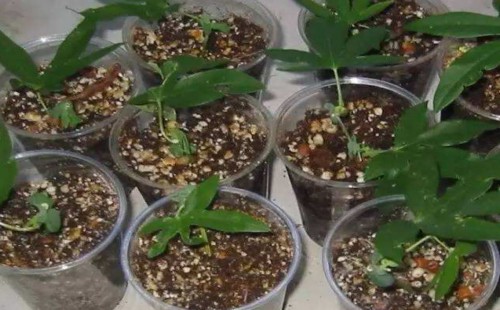
Anthurium cuttings can be done not only in soil but also in water. So, can a single anthurium leaf be propagated by cuttings? Soil cuttings and water cuttings of anthurium are generally more widely used, while leaf cuttings, due to their relatively high demands on the growing environment and technique, often make the process of obtaining young plants rather difficult. Today, the editor will explore with everyone the method of anthurium leaf-cutting propagation.
I. Substrate preparation
The substrate used for anthurium leaf cuttings can be soil, vermiculite, plain sand, or peat soil, and the more recommended approach is to use a half-and-half mix of peat soil and plain sand, thoroughly blended, or a half-and-half mix of leaf mold and garden soil, thoroughly blended. Performing leaf cuttings in such a substrate can not only reduce the risk of variety mutation, but also save considerable cost and improve production efficiency.
II. Preparing the leaves
If you want to achieve anthurium leaf-cutting propagation, the choice of leaves is crucial. Generally, use the relatively robust old stems on a mature anthurium plant, then cut off the intact, plump leaves on them that are free of pests and diseases to use as cuttings for later use. As long as the environment is suitable and the method is proper, the survival rate can even reach as high as 90%.
III. Temperature assurance
Anthurium leaf cuttings generally require the temperature to be kept stable between 20°C-25°C, because such a temperature environment is very important for rooting of leaf cuttings. The time that can generally meet this temperature environment is mostly April-May, at the transition between spring and summer, so we need to make adequate preparations in advance.
IV. Cutting process
Generally, the cut leaves should be inserted promptly to avoid excessive water loss from the leaves affecting survival, so all preparatory work for leaf cuttings needs to be done in advance to minimize the time consumed during the leaf-cutting process. After cutting off the leaves, you can dip some rooting powder on the base, then insert them directly into the culture substrate. If the growing environment is suitable, they will generally take root in about 2 weeks.
V. Care and management
After completing the leaf cuttings, in addition to ensuring temperature, you also need to control humidity and light well. Generally, moist soil is used for leaf cuttings, and during the cultivation period, water should be sprayed appropriately to maintain humidity. Never pour water directly, otherwise it is easy to wash the leaves out or knock them over, affecting rooting and survival. Of course, in addition you also need to avoid direct sunlight and ensure smooth air circulation in the environment.