Bougainvillea Cutting Time and Method Explained in Detail
Bougainvillea, also called paperflower, is a fairly heat-tolerant flowering plant, but its cold tolerance is relatively poor. However, bougainvillea has a very long blooming period; as long as there is ample light, suitable temperature, and proper water and fertilizer, bougainvillea can even bloom in all four seasons.
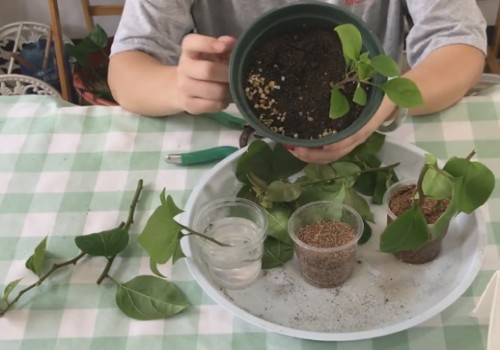
In addition, bougainvillea is not only easy to grow but also very easy to propagate. Usually we only need to take one section of a robust growing branch to easily root it as a cutting, and then with scientific care and management, it will quickly grow into a full pot. But propagating bougainvillea from cuttings requires choosing the right timing; usually spring and autumn are the best choices.
Taking bougainvillea cuttings in spring and autumn is mainly because the temperature is suitable, the light intensity is also appropriate, and the humidity of the climate environment is relatively good, so after taking bougainvillea cuttings, root rot and black rot are less likely to occur, and therefore the survival rate is relatively high. As long as we pay attention to the cutting time and method for bougainvillea, generally it will take root and sprout within 1 month after planting.
I. Cutting Time
The best season for taking bougainvillea cuttings is spring or autumn, but in what kind of weather specifically should this be done? Generally, it is better to choose an overcast day or the morning of a sunny day. Because in such weather conditions, the moisture in the cuttings is most abundant, the wounds heal very quickly, and the rooting ability is strong, so they are more likely to survive after cutting.
II. Selection of Cuttings
The bougainvillea branches used to make cuttings must be robust branches that have become semi-lignified, then cut into lengths of about 10 cm, and each cutting only needs to retain 1-2 pairs of leaves. Cut several cuttings each time, then place them together for later use.
III. Cutting Medium
Bougainvillea takes root very easily from cuttings; for the original method, it is generally enough to choose coarse sand or vermiculite as the medium. Because such a substrate is mainly clean and highly permeable, and does not easily become waterlogged, it can largely prevent the cuttings from rotting.
IV. Cutting Process
Insert the prepared cuttings directly into the substrate, with an insertion depth of about 3 cm being appropriate. Of course, we can also do water propagation, which means placing the cuttings in a cup of clean water and changing the water once every 3 days. After white roots grow from the base of the cuttings, transplant them into peat soil to continue growing.
V. Scientific Watering
Whether using the method of inserting cuttings directly into the substrate or the method of first rooting in water and then growing in soil, during the cultivation process it is recommended to use a spray bottle to water thoroughly in the pot every day. Usually keep the medium at a suitable humidity; generally it is enough to keep the medium in a moist state, and waterlogging must not occur.
But it should be noted that just after completing the cuttings, they should be placed in a cool place for care, without direct light, otherwise the base of the cuttings may rot due to high temperature and high humidity. Generally, with careful care for about half a month, you can see the cuttings take root and sprout. When the cutting seedlings grow a bit larger and have the ability to grow independently, we then transplant them into flower pots for care.
And just after transplanting, the potted plant also needs to be placed in a cool place to recover; after the young seedlings successfully adapt to the pot, then provide them with normal light, water, and fertilizer. After all, bougainvillea is a tropical plant and requires ample light, and during the growing period it must be fertilized more. At first, you can apply some dilute fertilizer water with a high proportion of nitrogen and phosphorus elements, and before flowering you can apply some phosphorus and potassium fertilizer.