Can freesia leaves be propagated by cuttings?
Freesia blooms are both delicate and fragrant, and as long as pollination is successful, they can even produce seeds! Freesia generally sets seed in May, when the flowering period ends, and by June the seeds are basically mature. Then we can harvest the seeds and sow them immediately in a greenhouse environment. After all, freesia seeds do not have a dormancy habit, so as long as the growing conditions are met, they can be sown.
Of course, besides propagating freesia from seed, you can also grow it from corms, and corm propagation is generally the method most often used. As long as the cultivation method is correct and the later care is done well, you can usually expect flowers by the end of that same year. So, can freesia leaves be used for cuttings?
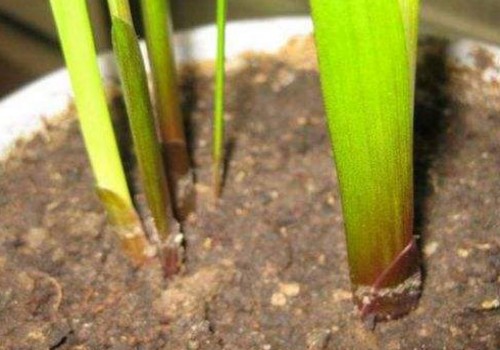
As everyone knows, the stems and leaves of freesia are usually rather slender and soft, and the plant is also quite prone to becoming leggy, especially when it lacks light, which makes legginess even more likely. Moreover, its leaves wrap around the stems. Because its leaves are rather weak and have no adventitious buds from which to sprout, in theory it cannot be propagated by cuttings the way succulent leaves can.
On the contrary, if freesia leaves are used for cuttings, not only will they fail to sprout, but if the medium is relatively moist, they will also easily rot. Therefore, we draw this conclusion: freesia cannot be propagated by leaf cuttings. However, the editor has not tried it either. If you are interested, you can try leaf cuttings, but in theory they cannot survive.
In fact, freesia is generally propagated from corms, which means planting the corms bought from the flower market directly into the soil. But to improve sprouting, it is generally recommended to pre-sprout the corms first. As for seed propagation, the procedure is often more complicated and relatively time-consuming and labor-intensive, so it is generally not recommended.