Does a plum blossom bonsai need pinching? Detailed explanation of the pinching method
Pruning is a relatively commonly used technique in the process of bonsai cultivation and care, mainly to control the plant shape, perfect the plant form, and enhance the ornamental value of the bonsai. Of course, it may also be to promote the sprouting of side buds, encourage branching, make flowering plants bloom more, and improve the quality of blooming, etc. And pruning techniques include various forms such as pinching or topping, and shortening cuts.
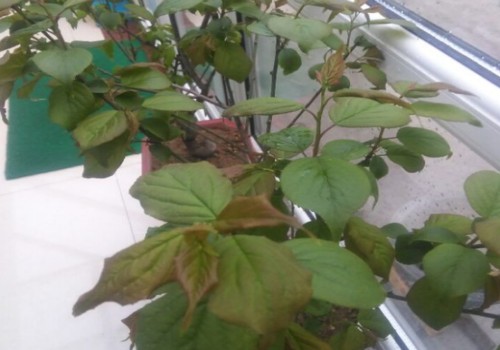
Pinching means pinching off the tip portion of a branch so that it loses its growth point, thereby achieving the goals of controlling the plant shape, promoting branching, and making the bonsai plant form fuller and more vigorous. So, does a plum blossom bonsai need pinching? If pinching is needed, how do you pinch a plum blossom? Actually, pinching a plum blossom is just topping it.
Plum blossoms sprout new shoots in spring. When the branches grow too long, they will inevitably ruin the overall shape of the bonsai, thereby lowering the ornamental value of the bonsai. At this time we need to control the growth of the new shoots, so we can adopt pinching or topping treatment. Generally, when the new shoots grow to more than 10 cm, they need to be pinched in time. At the same time, if you come across branches that are too long, it is also recommended to cut them off or shorten them.
If we do not treat these new shoots in time, the original branches will not only grow relatively long and easily ruin the plant shape, but will also differentiate flower buds in the middle and upper parts, causing the plum blossoms to bloom only at the tips of the branches, because the flowering branches of plum blossoms are usually formed by spring shoots. If the new shoots are pinched in time, it can give short and weak branches more opportunities to grow, thereby achieving a balanced tree form and making the plant shape appear more symmetrical.
Moreover, after pinching or shortening the new branches, the plant will sprout more side branches, the plant shape will naturally become fuller, and the branches and leaves will grow more vigorously. Even for the subsequent flower bud differentiation, it is helpful, and it can keep the blooming plum blossoms from being scattered, uneven in height, and looking very messy, which is also unfavorable for flower setting.
For traditional plum blossom bonsai, sparse branches, leaves, and flowers are usually considered beautiful. But for ordinary potted plum blossoms, the more branches and leaves, the fuller the plant shape, and the more flowers, the more beautiful. But sometimes after pinching, when water and fertilizer are sufficient, the plant will sprout many forks, which fully shows that our pinching is effective, but sometimes the bonsai may appear too dense because too many new branches sprout.
Therefore, our pinching work may not be completed in one step, and it often still requires multiple rounds of pinching and handling of which branches to keep or remove, to finally achieve the effect we need. Properly choosing which branches to keep and which to remove can not only make the plum blossom plant shape appear well-spaced, but also improve the ventilation and light penetration of the tree body, which is more conducive to promoting the growth of the plant, keeping the plant always full of vigorous growth vitality, and naturally giving the bonsai higher ornamental value.