How can a stump bonsai show a sense of age?
Stump bonsai has a unique expressive effect. Generally, the older the stump bonsai, the more mottled it looks and the more it reflects a sense of vicissitudes. Making the stump present an ancient state is often one of the important characteristics that reflect the value and charm of stump bonsai. So, when we make stump bonsai, we especially need to make it show an aged and antique image. In addition to using old stumps that are already relatively ancient, we can also process and treat raw stumps to make them show a sense of age. So, how can a stump bonsai show a sense of age?
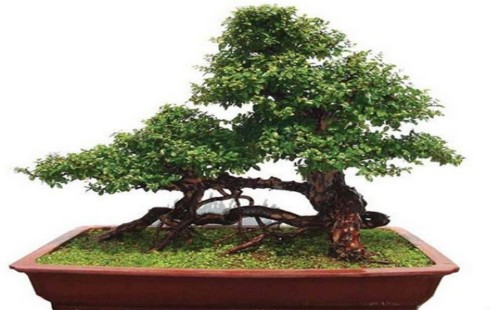
For a stump bonsai to present an ancient image, the key is to shape the bark and roots, mainly by processing and treating artificially propagated trees. By applying artificial intervention to stump bonsai, relatively young seedlings can show more charm and the appeal of vicissitudes, further enhancing both the ornamental value and artistic charm of the bonsai.
1. Bark shaping
For stump bonsai, bark is the most intuitive part that reflects age. Generally, by observing the bark, people can often judge the approximate age based on direct impressions, and can evaluate whether the main subject of the stump bonsai work is aged. Therefore, to make a stump bonsai look relatively aged, we first need to make the bark look relatively aged. To make the bark aged, we can usually achieve this by artificially shaping the bark.
1. Removing branches and peeling bark
Break off the branches on both sides of the trunk. Do not use tools such as scissors or saws; just break them off directly by hand. Moreover, when breaking off branches, you can even pull off the bark on the main trunk along with them, exposing the woody part of the trunk. After the wounds heal, a sense of age will gradually appear.
2. Loosening tree bark
During the peak growing season of the stump bonsai, use a sharp knife to pierce the bark and pry around it to loosen the local bark, separating the bark from the woody part. Stimulated by the external force, the tree will form bark tumors at the wounds. After the wounds heal, the tree will look aged.
3. Hammering the trunk
Hammering the trunk with a heavy hammer to artificially cause some external wounds can also stimulate the tree's cortical tissue, thereby accelerating tissue division and gradually forming bark tumors. Over time, it can also present an aged image.
2. Root carving
For stump bonsai, raising the roots and exposing the claws is also an important means of making the tree show a sense of age, and it is especially suitable for exposed-root bonsai. The method of raising roots and exposing claws is usually suitable for tree species with relatively strong vitality and thick lateral roots. During operation, you can first cut off the main root, then plant the stump into a large, deep flowerpot for cultivation, mainly to promote the development and growth of lateral branches and deep rooting, so that it grips the ground firmly. Then, after the main trunk has taken shape, transplant it into an ornamental pot. At this time, you can take the opportunity to create exposed-root and suspended-root effects.
Of course, there is another method: embed stones in the roots, or directly make it into a root-over-rock bonsai, as long as it does not affect the normal absorption capacity of the root system. But in the early stage of exposing the claws, the roots should be surrounded with moist moss or wet sand. After the stump survives and its growth is stable, remove the moss or sand. This can also achieve the effect of making the roots look aged.