What are the common reasons for yellowing leaves on Dracaena?
Plants in this genus include shade-tolerant species that grow in the understory, such as lucky bamboo and Dracaena fragrans; there are also species that grow in full sun, such as Dracaena cinnabari, Dracaena cochinchinensis, and Dracaena draco. Because Dracaena plants mostly have thick, stout stems and thick leaves, they have a certain degree of drought tolerance; even if not watered for 1 week they will not dry out and die, and they continue normal photosynthesis using the water stored in their own tissues. However, drought must not last too long, otherwise water shortage will cause the leaves to turn yellow and drop; even if the plant does not die, it will be left as a bare stem and lose its ornamental value.
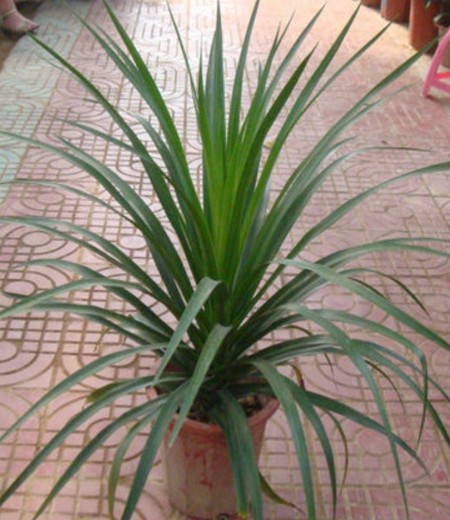
Summary of several reasons for yellowing leaves on Dracaena:
1. During flower and plant care, soil with a suitable pH is needed, and repotting and soil replacement are needed about every 2 years, in order to give the roots more sufficient space and nutrients for growth.
2. During repotting, although we are very careful, the root hairs with absorptive function will still be damaged to a certain degree, so a period of recovery is needed and normal care cannot be given. If watering and fertilizing continue during the recovery period, the damaged roots are prone to rot, which causes the leaves to turn yellow and drop. If only a few leaves turn yellow, it is generally a normal phenomenon during recovery.
3. Yellowing of new leaves means a lack of fertilizer; it is best to fertilize lightly and frequently, and no fertilizing is needed in winter. Dry and withered leaf tips mean the water did not penetrate thoroughly; in addition, let it receive appropriate sunlight.
4. If the growing environment is stuffy and poorly ventilated, it should be made ventilated and exposed to light.
5. Maintain air humidity (85%) and a relatively high temperature; when the air is dry, spray water on the leaf surfaces.
6. Overwatering, with the potting soil staying too wet for a long time, causes a lack of oxygen in the soil, makes some fibrous roots rot, hinders normal respiration and the absorption of water and nutrients, and causes the leaves to turn yellow and drop.
7. The growing environment should have sufficient light, but it can also tolerate semi-shade or brief shade. However, in summer, for the sake of leaf color, it is best to avoid strong light.
8. If yellow leaves and leaf drop occur over a large area, it may be caused by pests or diseases. If there is scale insect damage, it can be wiped clean with a cloth, or a targeted pesticide can be sprayed directly, such as methidathion, "Jie Bi Si", etc.