How to Grow Ming Fern? A Detailed Guide to Cultivation Methods
Ming fern, also called pine-bamboo grass, is a very attractive plant with dense foliage and a rounded, ball-like form. Its leaf shape is elegant, verdant and refined. Its leaves are deep green and densely packed, making it the most popular filler material for flower arrangements, and many homes like to grow this plant. So how do you grow Ming fern? What are the cultivation methods for Ming fern? Let a gardener share them with you below.
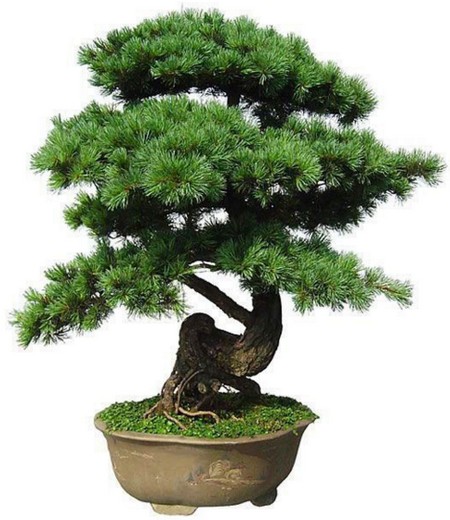
Ming fern has a neat plant form, with upright, firm stems and soft, ball-shaped clusters of leaves. It has great ornamental value, which is why it is so well loved. When choosing greenery for home decoration, people pick Ming fern, so attention must be paid to its growing environment.
Seed sowing and division are commonly used for propagation:
Seed propagation: The seeds have a short lifespan, so sow them right after collecting. The seeds are fairly large with a hard seed coat. Before sowing, soak the seeds in clean water for 1 day. In April, sow in indoor pots, covering with only a shallow layer of soil, keeping the room temperature at 20-25°C. They germinate 15-20 days after sowing. Seedlings can be transplanted when they reach 5 cm tall.
Division propagation: Ming fern is mostly propagated by division. When dividing, repot in spring, lift the mother plant out, separate the clumps and replant them. When cutting, damage the stem skin and roots as little as possible. This can be done in spring and summer in combination with repotting: take the densely grown old plant out of the pot, cut the underground tuberous roots into several clumps so that each clump contains 3-5 stems (taking care to damage the roots as little as possible), replant each clump in a pot with fresh potting soil, water thoroughly, and place in a semi-shaded spot to recover and grow.
Cultivation methods for Ming fern:
1. Soil: Ming fern can adapt to many types of soil, but it is not tolerant of saline-alkaline soil. A deep, moist, loose, slightly acidic sandy loam is best. For potted plants, it is best to use aged garden soil and leaf mold, mixed with an appropriate amount of sandy soil.
2. Sunlight: Ming fern likes a warm, moist environment, but fears strong light. In summer, take care to shade it appropriately and prevent exposure to blazing sun, so the branches and leaves do not get scorched or turn yellow. In the cold, dim days of winter, it needs plenty of sunlight.
3. Temperature: The optimum temperature for Ming fern growth is 20-30°C, and the overwintering temperature is 3°C. When summer temperatures exceed 35°C, growth stops and the leaf clusters turn yellow. Ming fern is actually fairly cold-resistant; it can overwinter safely as long as the winter temperature does not drop below 5°C.
4. Water: Spring and summer are the peak growing seasons for Ming fern, and it needs plenty of water, but the potting soil should not be allowed to become waterlogged, or the tuberous roots may rot. After late autumn, gradually reduce watering so the potting soil stays only slightly moist.
5. Fertilizer: Spring and summer are the growing seasons for Ming fern. To make the branches and leaves grow lushly, pay attention to replenishing nutrients, fertilizing once every half month, mainly with nitrogen and potassium.
6. Pests and diseases: Ming fern has few pests and diseases, but it can still be harmed by leaf blight. It can be sprayed with a 1000-fold dilution of 50% carbendazim wettable powder. If there are whiteflies and scale insects, they can be killed by spraying a 1000-fold dilution of 40% omethoate emulsion.