How to grow verbena? Detailed guide to cultivation methods and precautions
Verbena loves light and is not tolerant of shade; it is relatively cold-hardy but not drought-tolerant, and it can bloom normally even in the hot summer. It is not demanding about soil, but it grows more robustly and blooms more profusely in loose, fertile, relatively moist neutral soil. Its flowering period is from May to November, and it looks beautiful whether planted in the ground or in pots.
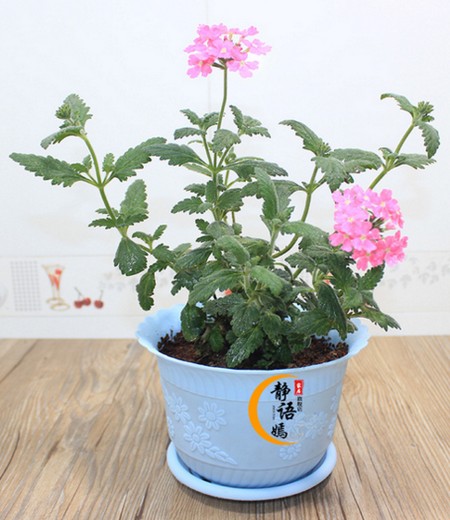
Verbena is a flowering plant with a relatively graceful form and a rich, colorful range of flower colors. It blooms brilliantly and looks very beautiful. Below, let us learn about the cultivation methods of verbena:
1. Soil: Verbena is not demanding about soil, but in loose, fertile, relatively moist neutral soil it can root at each node, grow robustly, and bloom profusely.
2. Light: In spring, summer, and autumn, verbena needs to be cared for under shaded conditions. When the temperature is relatively high, if it is kept in direct sunlight, the leaves will noticeably become smaller, the internodes of the branches will shorten, the lower leaves will turn yellow and fall off, and growth will be very slow or it will enter a semi-dormant state.
3. Temperature: Verbena likes a warm climate and is averse to intense heat. When the summer temperature is above 34°C, its growth is noticeably poor; it is not tolerant of frost and cold, and when the winter temperature is below 4°C, it enters dormancy or dies. The most suitable growing temperature is 15-25°C. Generally, sowing is done in autumn and winter to avoid the high summer temperatures.
4. Watering: Because verbena has a relatively shallow root system, attention should be paid to watering in summer to prevent drought. During the care period, too much or too little water is unfavorable to growth. With too much water, the stems become thin and weak and grow excessively, and the amount of flowering decreases; with a lack of water, the plant grows and develops poorly and may set seed early.
5. Fertilizing: Like other herbaceous flowers, verbena has a relatively high demand for fertilizer and water, but the fertilizing (and watering) principle of "light fertilizer applied frequently, small amounts and many times, complete nutrition" should be followed, and after fertilizing, the leaves and flowers should be kept dry at night.
6. Pruning: Before verbena blooms, it is generally pinched twice to encourage more flowering branches to sprout.
When verbena blooms, it looks like a sea of flowers, very beautiful and attractive. Growing it in pots is a suitable flower variety for decorating and beautifying the home. That is all we will introduce here about the cultivation methods of verbena. If you want to plant flowers and plants to decorate your home, verbena is a good choice.
Precautions:
For those used in flower beds, it is best to transplant early. Removing spent flowers promptly after blooming can extend the flowering period. Fertilize and water at the appropriate times, cultivate and weed promptly, and drain water promptly during the rainy season. When cultivating verbena, choose loose, fertile soil with good drainage.
Because its root system is relatively shallow, attention should be paid to watering in summer to prevent drought. Apply a light fertilizer once every half month to promote good development. During the care period, water must not be too much or too little. If there is too much water, the stems and branches become thin and weak and grow excessively, and flowering is very sparse; if there is a lack of fertilizer and water, the plant grows and develops poorly and may set seed early. Robust plants have relatively strong resistance to pests and diseases, and pests and diseases rarely occur.
Seedlings transplanted in the ground should not be too large, so as to avoid side branches growing sideways and losing leaves. The plant spacing is generally about 40 cm. Pinch early to encourage secondary branches. After blooming, cut off the flower heads, water frequently in summer, and at the same time apply 1-2 applications of liquid fertilizer. In Jiangnan, overwintering flowering plants keep only the underground parts in the soil to overwinter, and the following year new branches are used for cuttings or division propagation. For seed collection, harvest the whole plant clump at one time, dry it in the sun, and thresh the seeds.