How to grow red spider lilies? Detailed guide to cultivation methods
The red spider lily is not only beautiful in appearance but also has high medicinal value, and it is deeply loved by flower and plant growers. Before growing red spider lilies, you need to first understand the growth habits of the red spider lily. Besides seed propagation, the red spider lily can also be propagated using its bulbs.
First, select a mother plant with good flower shape and appearance according to market demand, peel off the small bulbs around the mother bulb to use for propagation, then prune away the residual roots of the mother plant. After the wounds on the removed small bulbs have healed, they can be covered with soil and planted. If grown in pots, it is best to plant one bulb per pot. The top of the bulb must be exposed above the soil surface; do not plant it too deep, otherwise it will cause difficulty for new shoots to emerge. For the growing medium, choose peat soil, garden soil and perlite mixed at a ratio of 2 to 2 to 1, preferably slightly acidic.
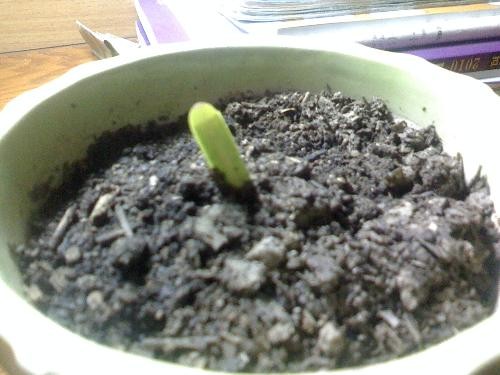
After planting, keep the soil slightly moist. During the growing season, apply a dilute cake fertilizer once every half month, and avoid direct sunlight. During the dormant period and overwintering period, be careful to stop fertilizing to prevent the red spider lily from becoming leggy. The most suitable temperature for growth is around 24°C. As the flowering period approaches, keep the flowers moist and apply flower fertilizer appropriately to promote more uniform and beautiful blooming.
The red spider lily grows wild on shady, moist hillsides and beside streams and ditches; it is also cultivated in courtyards. The red spider lily's growing site is red soil, so it is highly cold-resistant, prefers shade, and can tolerate a high-temperature limit of a daily average temperature of 24°C; it likes moisture but is also drought-tolerant, is accustomed to slightly acidic soil, and does best in loose, fertile humus soil. It has the habit of going dormant in summer.
Plants of the genus Lycoris have strong adaptability and are relatively cold-resistant. They have no strict soil requirements and do best in humus-rich soil and a shady, moist environment with good drainage, with a pH value between 6-7. In nature, they often grow wild on gentle slopes at forest edges, beside streams and other relatively moist places with good drainage. They can also grow in slightly deeper soil layers in rock crevices on hilltops in hilly and mountainous areas.
The planting depth of the red spider lily should not be too deep; it is best if the top of the bulb is just buried at the soil surface. The soil should be well-drained sandy soil or loose growing medium. During the vegetative growth period, it should be watered frequently; from 20 days before flowering to the flowering period, an appropriate amount of water must be supplied to achieve uniform flowering and make the flowers easier to maintain. Keep the soil moist, but do not let water accumulate, to prevent the bulb from rotting.
Cultivation methods for the red spider lily:
The cultivation method for the red spider lily is very simple. Peel off the small bulbs around the main bulb of the red spider lily for propagation. Trim off the residual roots of the main bulb, and plant it once the wounds have dried.
For pot cultivation, choose a large bulb that has grown for 3 years and can flower (with a diameter of more than 7 cm) and plant it in a pot; one bulb can be planted per pot. Plant it shallowly so that 1/3 of the bulb sits above the soil surface. After potting, water once, just enough to make the soil slightly moist. Water again after new leaves emerge. Apply liquid fertilizer once every half month. Between February and March, after sprouting, repot or replace the potting soil.
During the summer dormant period, water less; in spring and autumn, keep the potting soil moist regularly. During the growing season, apply dilute cake fertilizer water once every half month. Lycoris prefers semi-shade; avoid direct sunlight in summer, keep it in a semi-shady place in spring and autumn, strictly control watering during the overwintering period, and stop fertilizing.
Common pests include: tobacco cutworm, Lycoris noctuid, thrips, and white grubs. Post-flowering handling and pest and disease control: after the Lycoris flowers, the scape should be cut off to reduce the loss of nutrients.