What are the reasons hydrangeas fail to bloom?
The "hydrangea" lives up to its name and is unforgettable at first sight; it is one of the few flowers with a very concrete and vivid form. Its blooms cluster like embroidered balls, and each ball of brilliant purples and reds has an appealing look, regarded as a symbol of happiness and completeness, which is why colored ribbons are tied into the shape of a hydrangea at weddings.
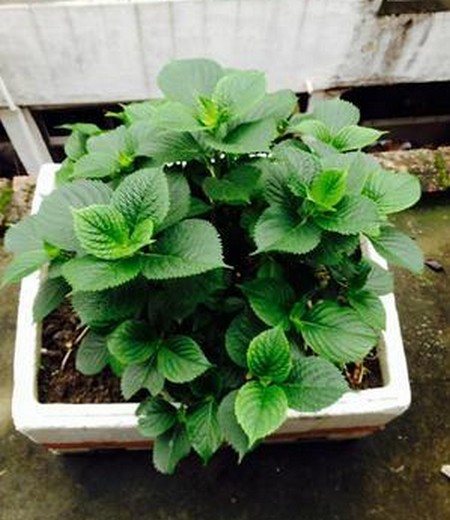
The hydrangea, also known as yin xiqiu and ziyanghua, is a semi-evergreen or deciduous shrub with large, opposite, glossy leaves. Its flowers are large and brightly colored, and the flower color is variable, changing with the acidity or alkalinity of the soil: when they first open they are as white as snow, and later they gradually turn light blue or pale red. Each inflorescence can bloom for 1—2 months, making it suitable both for courtyard cultivation and for growing as a potted plant at home. However, when grown as a potted plant at home, if care is improper it is often difficult to get it to bloom. The main reasons are as follows:
1. Too little light: when grown at home, limited conditions mean it receives too little light, which easily causes leggy branches and leaves and poor growth. By the time flower buds differentiate, nutrition is insufficient, so the flower buds cannot differentiate normally.
2. Too many hours of light: the hydrangea is a short-day plant, and during flower bud differentiation the number of daylight hours must not exceed 10 hours. If it is grown indoors at home, long hours of indoor light at night will affect flower bud differentiation.
3. Indoor temperature too high in winter: the hydrangea needs a period of relatively low temperature during flower bud differentiation, and the temperature should be kept at 5-10°C for about a month and a half. If it is grown at home in a room that is relatively warm in winter, the flower buds cannot differentiate normally.
4. Too much nitrogen fertilizer: the hydrangea grows vigorously and has a relatively high demand for fertilizer. From after flowering to the flower bud differentiation stage, fertilization should be mainly nitrogen-based, while during the flower bud differentiation stage it should be mainly phosphorus and potassium fertilizer. If, during the short-day flower bud differentiation stage in autumn and winter, nitrogen fertilizer is still applied excessively, it will cause excessive vegetative growth, inhibit reproductive growth, and prevent flower buds from forming, making it difficult to bloom in early summer of the following year.
5. Improper pruning time: the hydrangea's normal flowering period is June to July, and generally the flowering branches should be cut off after the flowering period, or it may be heavily pruned. If the branches are heavily pruned in early spring, it will be very difficult to form effective flowering branches in June to August, resulting in reduced flowering or no flowering.
If neither old wood nor new wood produces flowers, then the following four main reasons need to be examined in order to find a solution:
1. Insufficient sunlight: too much shade is enough to affect flowering. Move the hydrangea to a place with ample sunlight, but avoid a position in direct sun. There are also shade-tolerant varieties, such as "Chufengtou" and "Scorching Ashes."
2. Bud damage: abnormal weather, and a sharp warm spell in early spring, can also damage the sprouting of potential flower buds.
3. Balanced fertilizer: excessive nitrogen fertilizer leads to excessive vegetative growth and inhibits flower bud differentiation.
4. Pruning mistakes: pruning too late or too low, or pruning without leaving bud points, will damage its nutrition and potential flower buds.