How to grow larkspur? Detailed guide to cultivation methods and precautions
Larkspur is also known as pigeon flower, cockscomb lotus, thousand-bird flower, and baibu grass, and is named for its flower shape resembling a swallow. It belongs to the genus Delphinium in the buttercup family (Ranunculaceae), originally growing in southern Europe, and is now cultivated throughout China, commonly seen on grasslands and hillsides. When larkspur is in full bloom, it looks even more like a flock of small blue birds descending from the sky, very moving. Because of its upright plant form, elegant leaves, and clustered flowers, it is highly ornamental and used to beautify gardens.
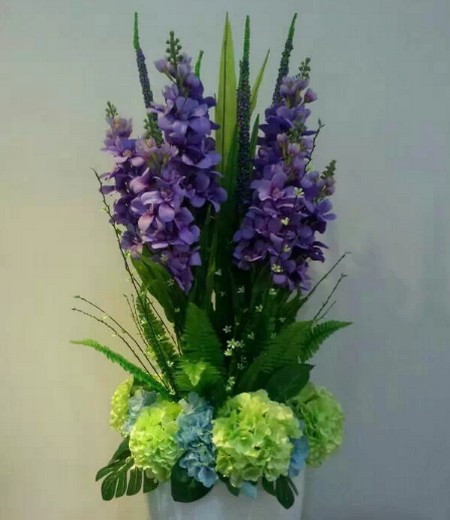
Cultivation methods for larkspur:
Soil: fertile, slightly acidic sandy soil with humus, with pH best controlled at 5.5-6.0, keeping the soil moist and not prone to waterlogging.
Light: Larkspur needs sufficient sunlight to promote plant growth, especially in winter. It tolerates some shade, and in summer strong light should be avoided by placing it in a semi-shaded spot.
Temperature: It prefers cool weather, with the optimal daytime growing temperature between 20-25°C and nighttime controlled at 3-15°C.
Watering: Larkspur likes moisture and is also drought-tolerant. When watering, water thoroughly at one time, and water when dry. During the flowering period, slightly increase the amount of watering, and do not let it get too dry.
Fertilizer: When repotting, add dry manure as base fertilizer. At other times, fertilize according to the plant's growth condition. During the growing period, generally apply decomposed cake fertilizer water 1-3 times a month.
Precautions:
Larkspur needs a sunny and cool growing environment. It is both cold-tolerant and drought-tolerant, but not tolerant of high temperatures or waterlogging, and its requirements for soil are not very high. However, when planting, pay attention to the following issues:
① Sowing time: Sowing can be done in both spring and autumn. If sowing in autumn, it must be done in mid-September.
② Care: After sowing, the soil must be kept moist. The simplest method is to cover it with some grass, then gradually remove the covering after the seedlings emerge.
③ Transplanting: When larkspur grows 2 true leaves, transplant it with soil into a small pot, and repot once more after the seedlings grow larger.
④ Watering: Water according to the principle of watering when dry and letting it dry between waterings. During the flowering period, water a little more appropriately to avoid the soil becoming too dry.
⑤ Fertilizing: Apply dry manure as base fertilizer when repotting, and afterward apply decomposed cake fertilizer water 1-3 times a month according to growth conditions.
⑥ Height control: After repotting, use paclobutrazol to control plant height. The specific method is: apply 0.5% paclobutrazol once every 2 weeks.
⑦ Seed collection: Collect seeds in a timely manner to prevent the seed pods from splitting after maturity.